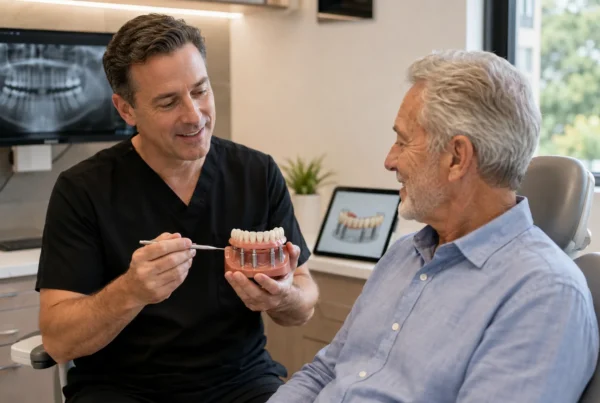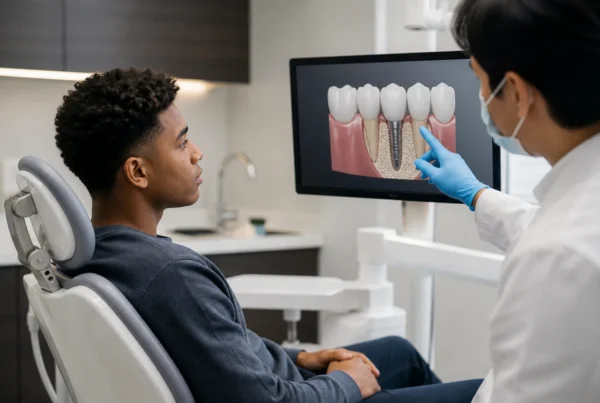

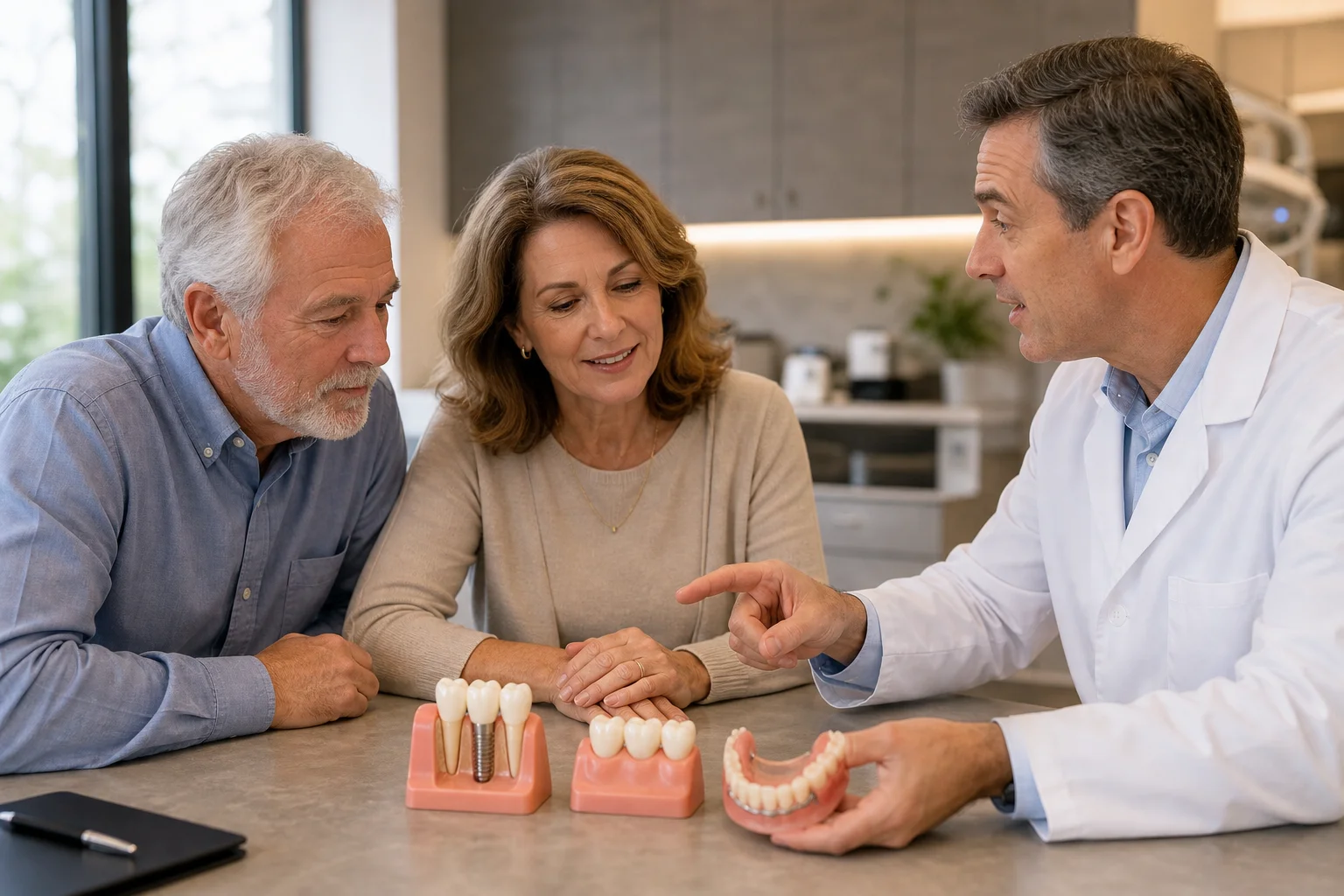
The idea of dental implant surgery stops many people from moving forward with a treatment they need. At Evans and Randall Dentistry in Dallas TX, Dr. Andrew Randall trained at Baylor College of Dentistry and is a member of the American Dental Association. He has helped University Park and Park Cities families understand the dental implant recovery process before committing. Recovery is manageable for most people when they know what to expect from the start.
The fear around implant recovery is almost always worse than the experience itself. Most people describe the first few days as uncomfortable but not unmanageable. Dr. Randall walks through the full recovery timeline at your restorative dentistry consultation before any treatment plan is finalized. You leave knowing exactly what comes next, not guessing after the procedure.
What Happens in the First Week of Dental Implant Recovery?
The first 24 to 48 hours after implant surgery bring the most discomfort. Swelling, mild bleeding, and soreness around the surgical site are all normal and expected during this window. Dr. Randall prescribes pain management before you leave the office so you are never scrambling for relief at home. Most people manage well with medication and get back to desk work within a day or two.
Days three through seven bring the most visible swelling, peaking around day three before it begins to improve. Eating soft foods and avoiding exertion protects the implant site and keeps healing on schedule. Most people report feeling significantly better by the end of the first week. The discomfort follows a predictable pattern and Dr. Randall prepares you for all of it.
What Is Osseointegration and Why Does It Matter?
After the initial healing, your body begins the bone integration phase. The titanium implant post fuses with your jawbone in a process called osseointegration. This is what makes a dental implant different from every other tooth replacement option. Dr. Randall monitors this progress at scheduled follow-up appointments to confirm your implant is integrating correctly.
Osseointegration is the foundation of implant stability and long-term durability. Without it completing successfully, the final crown or restoration does not go in. Dr. Randall tracks each stage of your healing and adjusts your follow-up schedule based on what he sees. You are never left to wonder whether things are progressing the way they should.
What Factors Affect How Fast You Recover?
Several factors determine how quickly and smoothly you recover from dental implant surgery. Your bone density, overall health, smoking status, and implant count all directly affect your timeline. Dr. Randall reviews each of these before your surgery date so your expectations are accurate going in. Understanding them in advance removes the uncertainty behind most of the anxiety.
- Your overall health and bone density at the time of surgery
- Whether a bone graft was required before or during implant placement
- How many implants Dr. Randall places in a single session
- Your smoking status. Smokers face a higher risk of implant failure and slower healing.
- How closely you follow post-operative care instructions from Dr. Randall
- Your diet and activity level during the first two weeks
University Park and Park Cities patients leave the consultation with a clear picture of their recovery. They know what to do and what to avoid from day one. Dr. Randall answers every question before the surgery date so nothing catches you off guard.
How Recovery Differs: Single Implant vs. Multiple Implants vs. All-on-4
Recovery timelines differ depending on how many implants you receive and what type of restoration they support. The table below shows what to expect at each stage. Review it before your procedure so you can plan your schedule.
| Recovery Stage | Single Implant | Multiple Implants | All-on-4 |
| Day 1 to 3 | Mild to moderate soreness | Moderate soreness and swelling | Significant swelling and soreness |
| Day 4 to 7 | Swelling improves | Swelling peaks then improves | Swelling begins to improve |
| Week 2 to 4 | Most return to normal activity | Soft food diet continues | Soft food diet for 6 to 8 weeks |
| Month 1 to 3 | Osseointegration underway | Osseointegration underway | Osseointegration underway |
| Month 3 to 6 | Final crown placed | Final restorations placed | Final prosthesis attached |
The most discomfort always happens in the first week regardless of implant count. Recovery scales with complexity but the fundamental process is the same across all implant types. Dr. Randall walks you through your specific timeline at your dental implants consultation. He makes sure you can plan work and personal commitments around recovery before any surgery is scheduled.
How to Protect Your Implant During Recovery
Your post-operative instructions are the biggest factor in your recovery outcome. The first 24 hours set the tone for everything. What you do during this window directly affects swelling, healing speed, and implant stability.
- Bite gently on gauze for the first hour to control bleeding at the surgical site
- Apply ice packs in 20-minute intervals for the first 24 hours to reduce swelling
- Eat soft foods like yogurt, mashed potatoes, soup, and scrambled eggs for the first week
- Avoid smoking, alcohol, and straws for at least 72 hours after surgery
- Avoid aggressive rinsing or spitting forcefully for the first 24 hours
- Sleep with your head elevated to reduce swelling overnight
Dr. Randall provides written post-operative instructions tailored to your specific procedure before you leave the office. The general dentistry team at Evans and Randall Dentistry is available by phone for questions during recovery. You are not on your own at any point in the process.
When to Call the Office During Recovery
Normal healing includes swelling, soreness, and minor bleeding in the first few days. None of those things require a call to the office. Dr. Randall prepares you for all of them before you leave the building. You walk out knowing exactly what is expected.
Call Evans and Randall Dentistry if you develop a fever above 101 degrees. Severe pain unresponsive to medication also needs same-day attention. Pus at the site or a loose implant each need immediate evaluation. The emergency dentistry line at Evans and Randall Dentistry is available for urgent questions between scheduled visits.
How Dr. Randall Makes Dental Implant Recovery Less Stressful
Most of the anxiety around implant recovery comes from not knowing what to expect after you leave the office. Dr. Randall removes that uncertainty at the consultation. He walks through your specific recovery timeline, your post-operative instructions, and what signs to watch for before any surgery date is scheduled. You go into the procedure informed, not hoping for the best.
Evans and Randall Dentistry monitors your healing at every follow-up appointment so nothing gets missed. If something comes up between visits, the team is available by phone. University Park and Park Cities patients consistently say the same thing after their procedure. The recovery was easier than they expected because they knew what was coming.
Schedule Your Dental Implant Consultation at Evans and Randall Dentistry.
Worrying about recovery keeps most people from replacing a tooth they have been missing for years. You have done the research and you know dental implants are the most durable tooth replacement option available. What you need is a dentist who walks you through every stage before you commit. Recovery is part of the conversation at Evans and Randall Dentistry. Dr. Andrew Randall trained at Baylor College of Dentistry. He has helped University Park and Park Cities families replace missing teeth with confidence since 2009. At Evans and Randall Dentistry, the recovery conversation happens at the consultation, not after the surgery.
Schedule your dental implant consultation at Evans and Randall Dentistry and get the full picture before treatment begins. Dr. Randall reviews your bone health, your timeline, and your recovery expectations before any decisions are made. Call (214) 750-4901 to book your consultation today.
Frequently Asked Questions About Dental Implant Recovery in Dallas TX
How long does dental implant recovery take in Dallas TX?
Most people experience the most discomfort in the first three to seven days after implant surgery. The bone integration phase takes three to six months. Patient information on implant timelines and recovery confirms bone quality and overall health are the primary variables in how long fusion takes. Dr. Randall gives you a specific estimate at your consultation. Guidance on finding a licensed implant provider in Dallas is also available if you want to verify credentials before you book.
What can you eat during dental implant recovery?
Soft foods protect the implant site during the first one to two weeks of recovery. Yogurt, mashed potatoes, soup, scrambled eggs, and smoothies without straws are all safe choices. Dietary guidance for implant patients advises avoiding hard, crunchy, or chewy foods until your provider clears you. Dr. Randall provides a food guide specific to your procedure, and federal safety information on dental implant recovery outlines what patients should expect during the healing period.
Can you go back to work after dental implant surgery?
Most people with desk jobs return to work within one to two days. Physical jobs may require three to five days off. Dr. Randall discusses your job demands at your consultation and gives you a realistic return-to-work estimate. Recovery expectations for dental implant patients confirm activity level in the first 48 hours directly affects swelling and healing, and implant procedure guidelines from the FDA back the conservative approach Dr. Randall recommends.
What are the signs of a dental implant problem during recovery?
Normal recovery includes swelling, soreness, and minor bleeding in the first few days. Signs requiring prompt evaluation include fever above 101 degrees, severe unresponsive pain, or pus at the site. Clinical information on implant complications identifies infection and instability as the two issues most likely to lead to failure when left untreated. Act early and a minor issue stays minor. The FDA’s patient guide on dental implants outlines how to recognize and report problems during recovery.