
At Randall Dentistry in Dallas, Dr. Drew Randall emphasizes that jaw injuries, whether caused by contact sports, falls, or even minor accidents, can be a silent trigger for temporomandibular joint (TMJ) disorders. While a bruised chin or a bumped jaw might seem harmless at first, these injuries often lead to inflammation, joint misalignment, and muscle strain. Over time, if left unaddressed, even mild trauma can evolve into persistent jaw pain, limited motion, and headaches.
Recognizing early signs such as jaw clicking, soreness, or bite changes is key to preventing long-term damage. Dr. Randall stresses the importance of early intervention with non-invasive treatments like customized oral appliances and therapeutic exercises. These measures can prevent short-term discomfort from becoming chronic TMJ dysfunction.
How Jaw Injuries Affect the Temporomandibular Joint
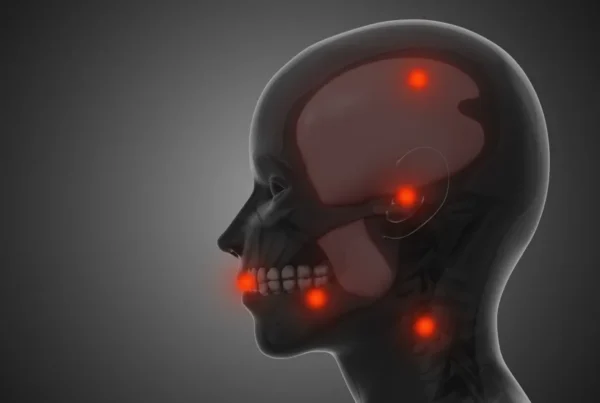
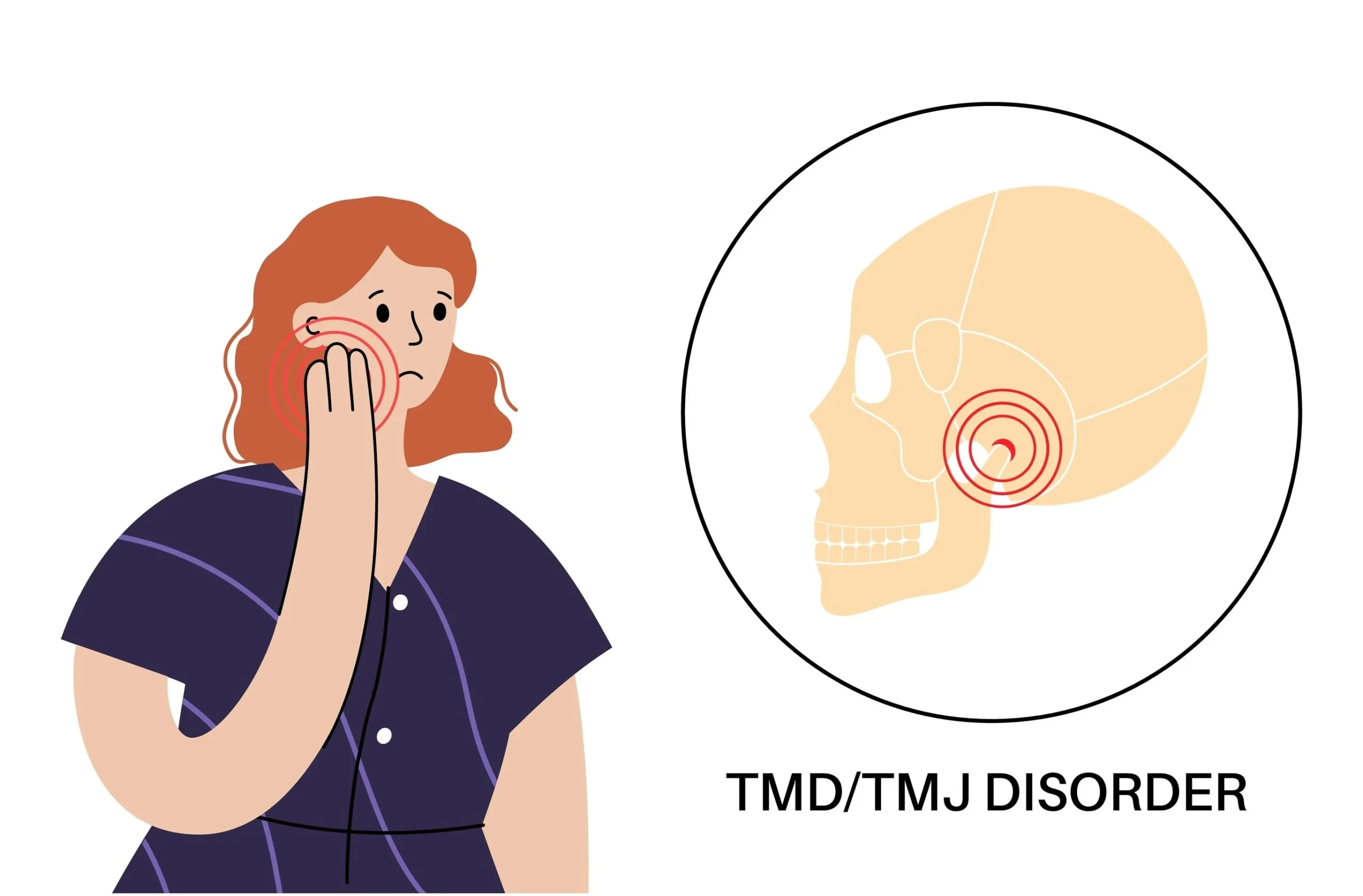
The TMJ is a small but powerful hinge connecting your jawbone to your skull. Because of its location and constant use, during talking, chewing, or yawning, it’s highly vulnerable to injury. A seemingly minor blow can cause inflammation or disrupt the delicate alignment of the joint and surrounding muscles.
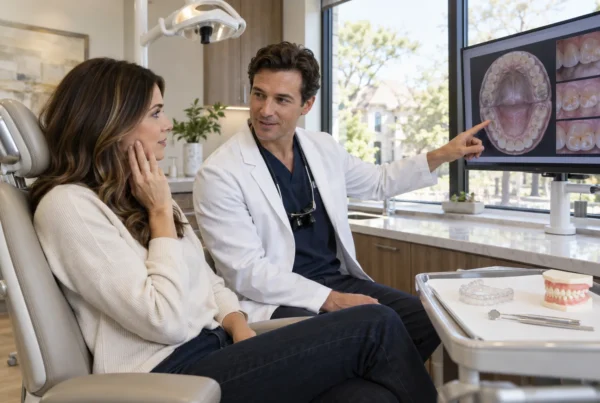
Following trauma, many patients develop symptoms like stiffness, pain when chewing, or facial tenderness. Dr. Randall utilizes advanced diagnostics, including digital X-rays and 3D jaw imaging, to assess internal joint damage and muscle strain. Prompt evaluation is critical. The earlier the injury is diagnosed, the more treatment options are available, reducing the likelihood of requiring surgical correction later.
Personalized Recovery: The Randall Dentistry Approach
Recovery from TMJ-related jaw injuries isn’t one-size-fits-all. Dr. Randall tailors treatment based on each patient’s condition, age, lifestyle, and health history. At Randall Dentistry, the recovery plan begins with a detailed consultation, where patients receive a custom roadmap for care that may include physical therapy, bite adjustments, and therapeutic appliances.
Rather than relying on pain medications or invasive surgery, the focus is on functional rehabilitation. Treatments like low-impact jaw exercises, cold therapy, and night guards are used to reduce inflammation and stabilize the bite. This conservative yet effective strategy ensures long-term comfort and minimizes recurrence.
Proactive Prevention for TMJ Health
Dr. Randall believes that prevention is as important as treatment. With proper habits and lifestyle awareness, many TMJ disorders can be avoided entirely. Patients are encouraged to use custom-fit mouthguards during sports, especially children and teens in Dallas’s active youth leagues.
Other preventive strategies include:
- Avoiding hard or chewy foods that strain the jaw
- Practicing good posture, especially when working at a computer
- Managing stress to reduce clenching and grinding
- Scheduling routine dental checkups for early detection
These habits help patients protect their jaw from daily wear and tear and avoid preventable injuries.
The Role of Patient Education in TMJ Recovery
Education is central to everything Dr. Randall does. At Randall Dentistry, patients are empowered with the knowledge they need to participate in their healing journey. From teaching proper jaw stretching techniques to explaining the impact of diet and stress, the team helps patients understand the “why” behind each treatment.
This partnership creates better outcomes. When patients understand their condition and actively engage in their care, tracking symptoms, attending follow-ups, and using prescribed appliances, they recover faster and feel more in control.
Long-Term TMJ Wellness After Injury
Jaw injuries don’t have to lead to lifelong TMJ issues. But long-term care requires continued diligence. Dr. Randall recommends that patients continue their maintenance routines even after symptoms subside, including nighttime appliance use, check-ins, and self-monitoring.
For Dallas patients who grind their teeth or clench during sleep, ongoing protection is essential. Randall Dentistry offers custom mouthguards designed for comfort and durability, allowing patients to safeguard their joint function for years to come.
Final Thoughts: You Don’t Have to Live with Jaw Pain
TMJ disorders caused by jaw trauma are more common than many realize, but they’re also highly treatable. With personalized care, modern diagnostics, and a prevention-focused philosophy, Schedule your consultation today. and his team at Randall Dentistry provide Dallas residents with lasting relief and restored function.
If you’re experiencing jaw pain, clicking, or limited movement after an injury, don’t wait. A consultation at Randall Dentistry can help uncover the root cause and get you back to smiling, chewing, and living with confidence.
Randall Dentistry
214-750-4901
6031 Sherry Ln,
Dallas, TX 75225
Frequently Asked Questions
What symptoms after a jaw injury might signal a TMJ disorder?
Jaw pain, stiffness, popping or clicking sounds, and discomfort while chewing are all signs that a jaw injury may have affected the temporomandibular joint. These symptoms do not always appear immediately after trauma, which is why patients sometimes overlook the connection between an old injury and current jaw problems. The National Institute of Dental and Craniofacial Research notes that TMJ disorders frequently develop following trauma to the jaw or surrounding muscles. Dr. Randall evaluates jaw injury-related TMJ symptoms at Randall Dentistry in University Park so you get a clear diagnosis before any treatment is recommended.
Can TMJ disorders heal without surgery?
Yes, and most TMJ conditions respond well to conservative treatment without surgery ever being necessary. Oral appliances, jaw exercises, and physical therapy address the underlying bite and muscle imbalances that drive most TMJ symptoms. The Mayo Clinic confirms that conservative approaches resolve the majority of TMJ cases, with surgery reserved only for severe cases that do not respond to other treatment. Dr. Randall builds TMJ treatment plans at Randall Dentistry around the least invasive approach that produces lasting relief.
How can I avoid TMJ problems after a minor jaw injury?
A custom mouthguard during high-risk activities is one of the most effective steps you can take to protect the jaw joint after an injury. Avoiding excessive jaw movement, eating softer foods during recovery, and seeing Dr. Randall early for any persistent symptoms all reduce the risk of a minor injury developing into a chronic TMJ condition. The American Dental Association recommends early evaluation when jaw symptoms persist after trauma rather than waiting for the problem to worsen. Patients across University Park and Park Cities who act early consistently recover faster and with fewer complications.
What is the benefit of seeing a dentist instead of a general doctor for TMJ pain?
Dentists are specifically trained to assess bite function, jaw alignment, and muscle activity, which gives them a distinct advantage in identifying and treating TMJ disorders at the source. A general doctor can address pain and inflammation but does not evaluate the bite mechanics or joint structure that drive most TMJ problems. The National Institute of Dental and Craniofacial Research recognizes that TMJ evaluation requires specialized assessment of the jaw joint, surrounding muscles, and bite. Dr. Randall applies that specialized approach at Randall Dentistry to give Highland Park and Park Cities patients a real diagnosis and a treatment plan that targets the actual cause of their pain.
Related Services