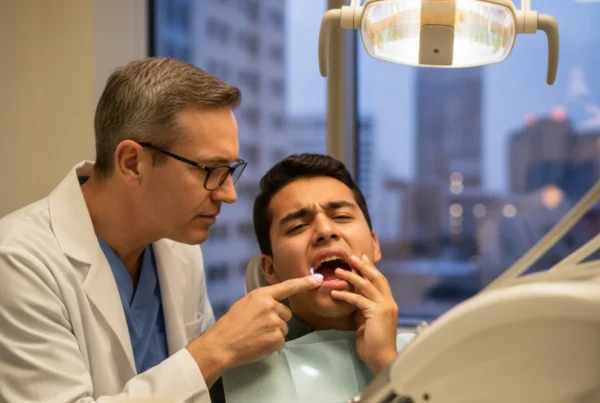


A severe toothache can take over your entire day and make it hard to think clearly. This article explains why intense tooth pain happens, what you can safely do at home to manage discomfort, and when a severe toothache becomes a dental emergency that needs immediate care.
Dr. Drew Randall of Randall Dentistry has treated thousands of patients dealing with sudden and severe tooth pain. His experience in general, restorative, periodontal, and advanced dentistry allows him to identify the true cause of toothaches and help patients across Dallas find relief quickly and safely.
Why Severe Toothaches Happen
Severe tooth pain rarely appears without a reason, which is why it often feels alarming. In most cases, the pain signals irritation or damage deep inside the tooth or the surrounding tissues.
Common causes include tooth decay that has reached the nerve, dental infections, cracked teeth, or advanced gum disease. The pain may feel sharp, throbbing, or constant depending on what is happening beneath the surface and how far the problem has progressed.
When Tooth Pain Becomes an Emergency
Not all toothaches are emergencies, but severe pain often deserves urgent attention. The intensity, timing, and duration of pain provide important clues about what is happening.
If pain is strong enough to interfere with sleep, eating, or daily tasks, it should not be ignored. Tooth pain that worsens over time or spreads to the jaw, ear, or face may indicate infection or nerve involvement that requires prompt care.
The following signs often mean a severe toothache requires emergency dental care:
- Persistent pain that does not improve
- Swelling in the gums, face, or jaw
- Fever or feeling generally unwell
- Bad taste or drainage in the mouth
- Pain when biting or chewing
When these symptoms appear together, waiting can allow infection to spread and make treatment more complex. Acting sooner often shortens recovery time and reduces the risk of more serious complications.
Common Causes of Severe Tooth Pain
Understanding the cause of pain helps guide the right treatment plan. Severe toothaches often have more than one contributing factor working together.
Deep cavities, cracked or fractured teeth, dental abscesses, and advanced gum disease are among the most common causes. Sinus infections and nighttime grinding can also intensify pain and make symptoms feel more severe.

What You Can Do at Home for Temporary Relief
Home care can help manage pain while you arrange dental treatment. These steps do not fix the problem, but they may reduce discomfort and help you cope until you are seen.
Rinsing with warm salt water can soothe irritated tissues and help reduce bacteria. A cold compress applied to the outside of the face may help control swelling and dull sharp pain.
Safe temporary steps for toothache relief include:
- Gentle salt water rinses
- Cold compresses on the cheek
- Over the counter pain relievers as directed
- Keeping the head elevated when resting
Avoid placing aspirin directly on the gums or using heat, as these can worsen irritation. These approaches may damage tissue and increase pain rather than relieve it.
Severe Toothache vs. Mild Tooth Sensitivity
It can be difficult to tell whether pain is serious or something that can wait. Comparing symptoms often helps clarify the situation and reduce uncertainty.
The table below highlights key differences between severe toothaches and milder tooth sensitivity so you can better judge urgency.
| Feature | Severe Toothache | Mild Tooth Sensitivity |
| Pain Intensity | Strong, throbbing, or constant | Brief, mild discomfort |
| Duration | Lasts hours or days | Comes and goes quickly |
| Swelling | Often present | Rare |
| Trigger | Spontaneous or constant | Cold, heat, or sweets |
| Sleep Disruption | Common | Uncommon |
| Urgency | Often needs prompt care | Can usually wait |
Both conditions deserve attention, but severe pain usually signals a deeper problem. Dr. Randall helps patients decide whether immediate treatment is needed or if careful monitoring is appropriate based on symptoms and risk.
Why Prompt Dental Care Matters
Delaying care for a severe toothache can lead to serious complications. Infection can spread beyond the tooth and affect surrounding tissues or overall health.
Early treatment often reduces pain faster and limits the need for more extensive procedures. Addressing the problem promptly also protects long term oral health and lowers the risk of repeat emergencies.
How Randall Dentistry Helps With Severe Tooth Pain
Managing a severe toothache starts with identifying the true cause of the pain. Treating discomfort alone does not solve the underlying issue.
At Randall Dentistry, Dr. Drew Randall evaluates the tooth, gums, and surrounding structures to determine the source of pain. This thorough approach helps patients from Highland Park, University Park, and Preston Hollow receive targeted care and lasting relief.
Taking the Next Step When Tooth Pain Hits
Severe tooth pain can feel overwhelming and disruptive, especially when it appears suddenly. Knowing when to act helps restore a sense of control and direction.
At Randall Dentistry, the focus is on relieving pain, addressing the cause, and preventing future problems. If a toothache feels severe or continues to worsen, reaching out for care is the safest next step.
Frequently Asked Questions
Is a severe toothache always a dental emergency?
People often worry about overreacting or waiting too long. Understanding urgency helps prevent unnecessary suffering and complications.
What you should ask instead: Is this pain intense, persistent, or getting worse over time?
Severe toothaches often require prompt evaluation, especially when swelling or fever is present. Intense pain usually signals infection or nerve involvement that should not be ignored.
Sources: https://www.ada.org/resources/ada-library/oral-health-topics/toothache
What causes sudden severe tooth pain?
Sudden pain can be frightening and confusing. Knowing common causes reduces anxiety and uncertainty.
What you should ask instead: Could this be related to infection or nerve damage?
Sudden severe pain is often caused by deep decay, cracks, or abscesses. These issues irritate the tooth nerve and surrounding tissues.
Sources: https://www.health.harvard.edu/diseases-and-conditions/toothaches
Can I treat a severe toothache at home?
Many people try to manage pain before seeing a dentist. Knowing the limits of home care helps avoid harm.
What you should ask instead: What can safely reduce pain until I receive professional care?
Home care can reduce discomfort temporarily, but it does not fix the cause of the pain. Dental evaluation is needed to fully resolve severe toothaches.
Sources: https://www.mayoclinic.org/first-aid/first-aid-toothache/basics/art-20056628
Can a severe toothache lead to infection?
Infections can affect overall health if untreated. Early awareness helps prevent serious complications.
What you should ask instead: Could this pain spread or worsen if ignored?
Severe toothaches often involve infection that can spread without treatment. Swelling, fever, and drainage are warning signs that need prompt care.
Sources: https://www.health.harvard.edu/pain/is-that-dental-pain-an-emergency