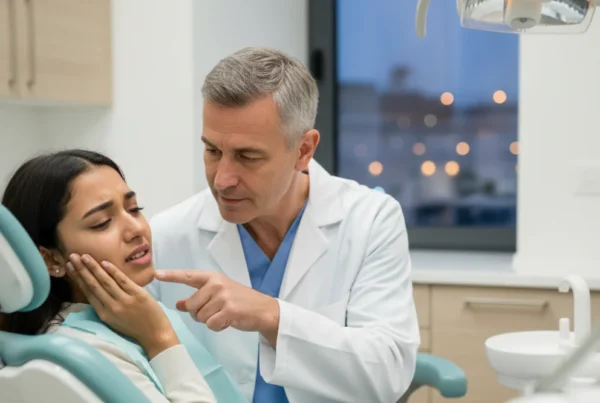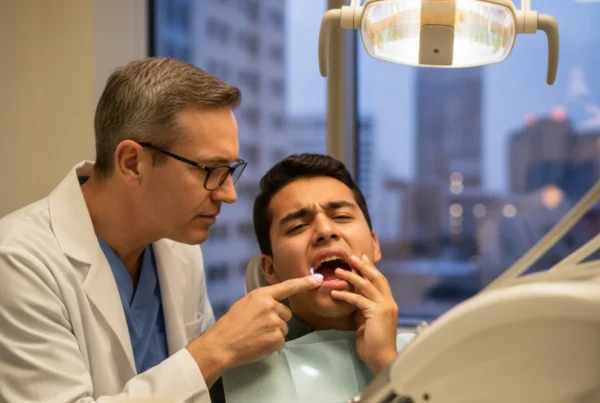


A permanent tooth that gets knocked out is always a true dental emergency. The first 15 to 60 minutes after the injury often decide whether the tooth can be saved. Acting quickly, keeping the tooth moist, and getting to a dentist right away gives the best chance of successful reattachment.
At Randall Dentistry, Dr. Andrew Randall, TX License #19682, helps Dallas families navigate dental emergencies like this every year. With decades of restorative experience and a reputation for calm, patient-first care, he focuses on saving natural teeth whenever possible. Patients from Brookshire Park, Hillcrest Estates, and Northaven Park often say the biggest relief is simply knowing someone experienced is guiding them through the moment.
Why a Knocked-Out Permanent Tooth Is a True Dental Emergency
When a permanent tooth is completely knocked out, dentists call it an avulsion. That means the entire tooth, including the root, has left the socket. This situation is very different from a chipped or cracked tooth because the tooth is no longer connected to the bone and supporting ligament.
The root surface contains tiny living cells that help the tooth reconnect to the bone. These cells start to die when the tooth dries out. That is why dentists talk about a “golden window” of time for replantation.
In many cases, the best outcomes occur when a tooth is replanted within about 15 to 30 minutes. A tooth that is stored properly in milk or saliva may still have a chance of survival for close to an hour. Even if pain is not severe, a knocked-out permanent tooth should always be treated as urgent.
Step-by-Step: What to Do Immediately
When a tooth is knocked out, people often panic because they do not know what step to take first. Staying calm and following a simple sequence can protect the tooth until you reach a dentist.
Follow these actions in order.
- Make sure the tooth is permanent and check for serious injuries
- Pick up the tooth by the crown, not the root
- Rinse it briefly with milk, saline, or clean water if dirty
- Try to place the tooth gently back into the socket if possible
- If reinsertion is not possible, keep the tooth moist in milk or saliva
- Call a Dallas emergency dentist and go immediately
Handling the tooth carefully protects the delicate cells on the root. Those cells are the reason replantation works. The sooner a dentist can stabilize the tooth, the better the chances of long-term success.
What NOT to Do With a Knocked-Out Tooth
Some actions that seem helpful can actually damage the tooth and reduce the chance of saving it. The goal is to protect the root surface and keep it moist until treatment begins.
Avoid these common mistakes.
- Do not scrub or brush the root
- Do not use soap, alcohol, or chemicals to clean the tooth
- Do not wrap the tooth in tissue or paper towel
- Do not leave the tooth dry
- Do not attempt to reinsert a baby tooth
The root surface contains delicate ligament cells that must remain intact for reattachment. Scrubbing the root or allowing the tooth to dry damages these cells quickly. Keeping the tooth moist and handling it by the crown gives the dentist the best chance of saving it.
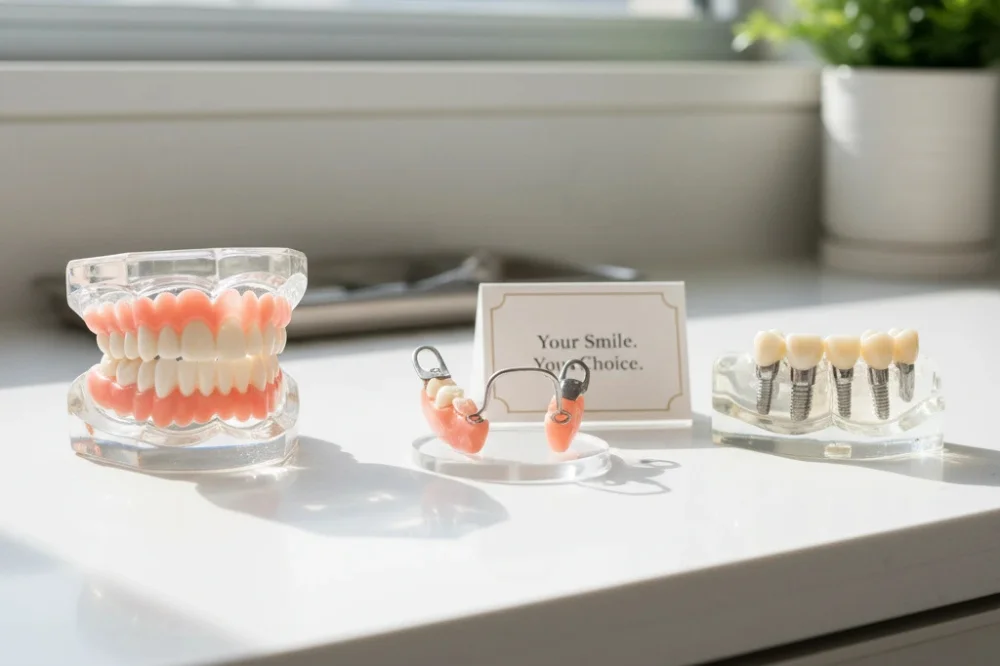
Permanent Teeth vs Baby Teeth
Parents often wonder whether the same steps apply when a child loses a tooth during sports or play. The answer depends on whether the tooth is permanent or a baby tooth.
| Situation | Recommended Action | Reason |
| Permanent tooth knocked out | Attempt gentle reinsertion or store in milk and see dentist immediately | Root cells may allow the tooth to reattach |
| Baby tooth knocked out | Do NOT reinsert the tooth | Reinsertion can damage the developing adult tooth |
| Unsure which tooth it is | Keep tooth moist and contact a dentist quickly | A dentist can determine the safest option |
Even though baby teeth are not replanted, a dentist should still evaluate the child after an injury. Trauma can affect the surrounding bone or developing permanent tooth.
What to Expect at an Emergency Dental Visit in Dallas
Once you arrive at the dental office, the first goal is to evaluate the injury and stabilize the tooth. The dentist will examine the socket and usually take X-rays to check the root and surrounding bone so they can determine whether replantation is possible. Pain control is addressed right away so the patient feels comfortable during the evaluation and treatment.
If the tooth can be saved, it is gently repositioned and splinted to neighboring teeth using a flexible support that usually stays in place for several weeks. Antibiotics or a tetanus booster may be recommended depending on the injury, and many mature permanent teeth later require a root canal to protect the nerve and prevent infection. Follow-up visits allow the dentist to monitor healing and ensure the tooth remains stable.
Special Considerations for Children and Serious Injuries
Sometimes dental trauma happens alongside other injuries. If there are signs of concussion, jaw fracture, heavy bleeding, or breathing problems, medical care should come first. Bring the tooth with you if possible so dental treatment can follow.
For young children, it is safer to store the tooth in milk or saline instead of the cheek. This prevents accidental swallowing. Many Dallas families keep small first-aid kits during sports events for this reason.
How Acting Quickly Protects Your Smile
When a permanent tooth is knocked out, the situation can feel overwhelming. The most important thing to remember is that quick action gives the tooth the best chance of survival. Knowing the basic steps ahead of time can turn a frightening moment into a manageable one.
At Randall Dentistry, Dr. Andrew Randall serves as the guide when Dallas families face dental emergencies like this. With decades of experience restoring damaged teeth and protecting long-term oral health, he helps patients from Turtle Creek, Meadows, and Caruth Hills move from panic to a clear plan. If a permanent tooth is knocked out, calling immediately allows the team to guide you step by step so your smile has the best chance of recovery.
Frequently Asked Questions
What should I do first if a permanent tooth is knocked out?
Many people panic when a tooth comes out and are unsure which action matters most in the first few minutes. A better question is what single step gives the tooth the best chance of survival. The key is to find the tooth quickly and handle it only by the crown, not the root, because the root surface contains delicate cells needed for reattachment. If the tooth is dirty, rinse it briefly with milk, saline, or clean water and try to place it gently back in the socket. If that is not possible, keep it moist in milk and go to a dentist immediately. Acting quickly and protecting the root surface greatly improves the chance that the tooth can successfully reattach.
How long do I have to save a knocked-out tooth?
People often believe they have several hours or even a full day to treat a knocked-out tooth, but the real window is much shorter. The more useful question is how quickly a dentist needs to see the tooth for the best outcome. Teeth replanted within about 15 to 30 minutes have the highest success rate because the ligament cells on the root are still alive. If the tooth is kept moist in milk or saliva, there may still be a reasonable chance of saving it for up to about an hour. This is why dentists emphasize acting quickly and heading to an emergency appointment right away.
Can a knocked-out baby tooth be put back in?
Parents sometimes assume the same emergency steps apply to baby teeth and permanent teeth. The more helpful question is whether replanting a baby tooth could harm the developing adult tooth underneath. In most cases baby teeth should not be replanted because pushing them back into the socket can damage the permanent tooth bud that is forming below. Instead, bleeding should be controlled and a dentist should evaluate the child to check for injury to the gums, bone, or developing permanent tooth. Even though the baby tooth will not be replaced, the injury still deserves professional evaluation.
What if I cannot put the tooth back in the socket?
Many people worry they have ruined the tooth if they cannot reinsert it immediately. The better question is how the tooth should be stored until a dentist can attempt replantation. The most important goal is keeping the tooth moist so the root cells stay alive. Placing the tooth in milk, saline, or inside the cheek of an older patient helps preserve those cells during transport to the dental office. Once you arrive, the dentist can evaluate the tooth and attempt to reposition and stabilize it if conditions allow.