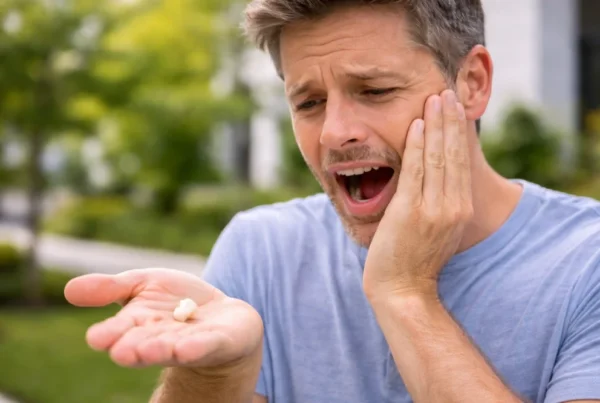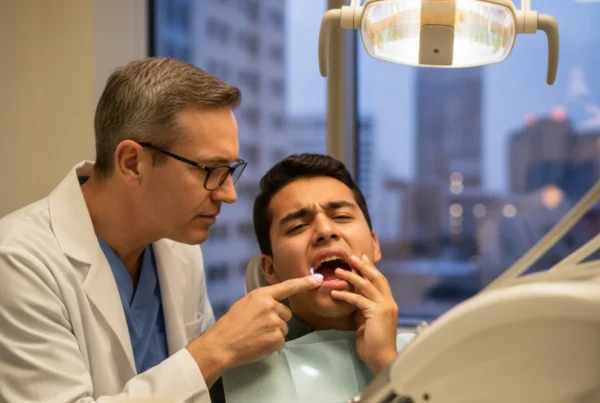


A chipped, cracked, or broken tooth can look scary, but not every fracture means you need immediate emergency treatment. Many Dallas patients ask the same question when it happens. They want to know if they should see a dentist right away or if it can safely wait a short time. Pain level, swelling, bleeding, and how deep the damage goes usually tell the story.
At Randall Dentistry, Dr. Andrew Randall, TX License #19682, helps patients across Dallas decide the safest next step when teeth break unexpectedly. He has decades of restorative experience treating fractured teeth, worn bites, and dental trauma. Patients from Highland Park, University Park, and Preston Hollow trust his calm approach because he explains what is happening and what needs to happen next.
Chipped vs Cracked vs Broken Tooth: What’s the Difference?
Understanding the type of damage is the first step in deciding how urgent the problem is. Not every fracture behaves the same way, and the depth of the damage often determines the treatment needed.
A chipped tooth usually means a small piece of enamel broke off the surface. It often feels rough on the tongue but may not cause pain. A cracked tooth usually involves a fracture line running deeper into the tooth structure, and many patients notice pain when biting or releasing pressure.
A broken tooth means a larger portion of the tooth has fractured away. You may see yellow dentin or pink tissue inside the tooth if the damage is deep. Deep fractures do not heal on their own and often need treatment to prevent infection or further damage.
When Is a Chipped, Cracked, or Broken Tooth a Dental Emergency?
The biggest clues that a broken tooth is an emergency are pain, depth of the fracture, and infection symptoms. These signs help dentists decide how quickly treatment should happen.
You should call a Dallas emergency dentist the same day if you notice these symptoms.
- Severe or worsening pain when biting or drinking hot or cold liquids
- A large portion of the tooth missing or a deep fracture
- Yellow dentin or pink tissue visible inside the tooth
- Bleeding that does not stop easily
- Swelling around the tooth or gums
- The tooth feels loose or moves when touched
These symptoms may mean the nerve or deeper tooth layers are involved. Quick treatment can prevent infection and often saves the tooth from needing more complex care.
When a Chip Can Wait (But Should Still Be Checked)
Many small chips are not true emergencies. If the chip is tiny, painless, and limited to the enamel surface, it usually can wait a few days before repair. These situations are common after biting hard foods or minor accidents.
That said, ignoring a chip for months is not wise. Rough edges can irritate the tongue and small fractures can spread. Early evaluation often allows simple solutions such as smoothing, bonding, or a small filling.
Emergency vs Urgent vs Can Wait
When patients are unsure what to do after damaging a tooth, a simple comparison can help them decide how quickly they should act. The level of pain, the size of the fracture, and symptoms like swelling or bleeding usually indicate whether the situation requires same-day care or can wait briefly for a scheduled visit.
| Tooth Condition | Level of Urgency | What To Do |
| Severe pain, swelling, visible nerve, bleeding that will not stop, loose tooth | Emergency | Call a Dallas dentist today |
| Large crack, biting pain, yellow dentin visible | Urgent | Schedule within 24–72 hours |
| Small painless chip | Can Wait | Schedule a routine repair visit |
This comparison is meant to help patients make a quick decision when they feel unsure about the severity of the damage. If symptoms worsen, pain increases, or swelling appears, it is always safer to contact a Dallas dentist immediately so the tooth can be evaluated and stabilized.

What to Do Immediately After You Break a Tooth
Taking a few simple steps right after a fracture can protect the tooth and reduce discomfort. These actions also help prevent further damage until you reach the dentist.
Start with these first aid steps.
- Rinse your mouth gently with warm water
- Apply gauze pressure if bleeding occurs
- Save broken tooth fragments in milk if possible
- Cover sharp edges with dental wax or sugar free gum
- Avoid chewing on the injured tooth
These steps do not repair the tooth, but they help stabilize the area until treatment begins. After doing this, contact your dental office and explain the symptoms so the team can advise you on urgency.
How Pain and Symptoms Guide Your Decision
Pain is often the most reliable sign that deeper damage exists. Sharp pain when biting or lingering sensitivity to hot or cold drinks may indicate a crack that extends toward the nerve. Swelling, fever, or a bad taste in the mouth may signal infection and should never be ignored.
Mild discomfort without swelling may allow a short wait before treatment, but teeth do not repair cracks on their own. Even mild symptoms should still be evaluated by a dentist soon so the fracture does not spread or lead to infection.
How Emergency Dentists Treat Broken Teeth in Dallas
Emergency dental visits usually begin with a focused exam and X rays. Dentists evaluate the fracture depth and check whether the nerve or root is involved. Pain control is also addressed quickly so the patient feels comfortable.
Treatment depends on severity. Minor chips may be smoothed or bonded, while larger fractures may require fillings, onlays, or crowns to restore strength. If the pulp is involved, root canal treatment may be needed before placing a crown.
Prompt treatment often means simpler procedures and lower long term cost. Waiting can allow bacteria to reach deeper layers of the tooth and increase the chance of infection.
How to Decide What to Do Next
When a tooth chips, cracks, or breaks, the most important step is to stay calm and understand how serious the damage might be. Small chips without pain often are not emergencies, but painful cracks, swelling, bleeding, or large fractures usually need same-day attention. Acting early protects the nerve inside the tooth and often prevents a small repair from turning into a crown, root canal, or extraction.
At Randall Dentistry, Dr. Andrew Randall, TX License #19682, has decades of experience helping Dallas patients save damaged teeth and restore bite stability. Patients from Lakewood, Uptown, and Devonshire trust his steady approach because he focuses on careful diagnosis, clear communication, and treatment that protects long-term oral health. If you break a tooth and are unsure what to do, call the office and describe the symptoms so the team can guide you toward the safest next step.
Randall Dentisty
214-750-4901
6031 Sherry Ln,
Dallas, TX 75225
Frequently Asked Questions
Is a chipped tooth always a dental emergency?
Many people panic when they see a chip because they worry it could quickly turn into a bigger dental problem. The better question is whether the chip only affects enamel or if deeper layers of the tooth are involved. Most small enamel chips without pain, swelling, or bleeding are not emergencies and can often be repaired with smoothing or bonding within a few days. However, if the chip causes pain, sharp edges, or sensitivity to temperature, it should be evaluated sooner because deeper fractures can worsen with normal chewing. Dental guidance from organizations such as the American Dental Association and Cleveland Clinic explains that enamel‑only chips are usually cosmetic, but chips that expose dentin or cause symptoms should be treated promptly.
When is a cracked tooth considered urgent?
Cracks can look small but still reach deeper parts of the tooth that affect the nerve. A more useful question is whether your symptoms suggest the crack extends into dentin or pulp. Pain when biting or releasing pressure, lingering hot or cold sensitivity, or a tooth that suddenly feels unstable are common warning signs. Cracked teeth cannot heal on their own and often worsen under normal chewing forces, especially if grinding or older fillings are present. Dental organizations such as the American Association of Endodontists and Cleveland Clinic explain that early treatment helps prevent infection or tooth loss, which is why persistent pain or swelling should be evaluated quickly.
What should I do right after breaking a tooth?
People usually want to know what steps they can take immediately to protect the tooth until they reach a dentist. The key is stabilizing the area and preventing further damage. Gently rinse your mouth with warm water, apply pressure with clean gauze if there is bleeding, and avoid chewing on the injured tooth. If possible, save broken fragments in milk or saline and cover sharp edges with dental wax or sugar‑free gum to prevent cuts to the tongue or cheek. Emergency dental guidance from sources such as the American Dental Association and Mayo Clinic recommends these steps because they protect the tooth and reduce irritation until professional care is available.
Can a broken tooth be saved?
Many patients fear that a broken tooth automatically means it must be removed, but the outcome depends largely on the depth of the fracture. The more helpful question is how much of the tooth structure and nerve remain healthy. Dentists often restore broken teeth with bonding, crowns, or onlays when the fracture is limited to outer layers. If the nerve is involved, root canal therapy followed by a crown can often preserve the tooth for many years. According to clinical guidance from the Cleveland Clinic and the American Dental Association, seeking evaluation quickly greatly improves the chance of saving the tooth and avoiding more complex treatment.