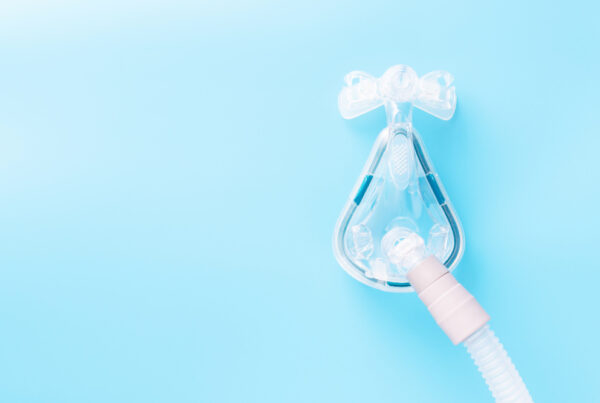


What Decides Your Share of a Night Guard
Sometimes yes, sometimes no, and the reason sits in your plan documents rather than in your mouth. This page gives you the six plan terms that decide your share. It also covers the four outcomes we see most often. Dr. Andrew Randall, DDS, holds Texas dental license 19682. He treats grinding for University Park and Highland Park families.
The fear here is specific and reasonable, and it is handing over a tooth impression without knowing the number. Then a bill arrives bearing no relation to what you expected. That happens most often when nobody checks the benefit first, which takes one phone call. Our night guards page covers how a custom appliance is made.
What Is a Night Guard Billed As?
A night guard is billed as an occlusal guard, which is its own category of dental procedure. Two things decide the code. One is whether the appliance is hard or soft, and the other is arch coverage, full or partial.
Those distinctions matter because plans write their rules at the code level rather than by appliance name. A plan may cover a hard full-arch appliance and exclude a soft one. It may cover one arch and decline the second. Ask which code is going on your claim before the appliance is ordered, and ask for it in writing. An office that cannot name the code yet cannot tell you your share yet either.
Why Do Two Plans Treat the Same Guard Differently?
Same appliance, same mouth, two different bills. The reason is contractual rather than clinical, since dental benefit plans set their own guidelines, policies, and exclusions. No dental association sets them, and neither does your dentist.
This is why a neighbor’s experience tells you very little about your own. Her plan may exclude the category yours covers. Her employer may have bought a richer tier of the same insurer’s product, which changes the percentage. Here is what your plan usually does, here is your part, and here are your options.
Which Plan Terms Decide Your Share?
Six terms in your plan document do nearly all the work, and every one is answerable before you order anything. None requires an examination to look up. Your benefits coordinator can read them to you over the phone.
- Whether occlusal guards appear as a covered benefit at all
- What percentage the plan pays on that category of procedure
- Whether the guard counts against your annual maximum
- How often the plan replaces a guard, usually stated in years
- Whether a waiting period applies before the benefit starts
- Whether the plan requires documented grinding or wear first
The last item surprises people most, because it turns a billing question into a clinical one. Some plans want evidence of wear in the chart first. That evidence comes from an examination, not a phone call. Our teeth grinding and bruxism page covers what that wear looks like.
Where Does Night Guard Coverage Usually Land?
Four outcomes cover almost every plan we see. The table sorts them by what your plan says rather than by what the appliance costs. Find the row matching your answers, and the last column names your next step.
| Your plan’s position | What it usually means | Who confirms it | Your next step |
| Occlusal guards listed as covered | Plan pays a percentage of the code | Your benefits coordinator | Ask which code and what percentage |
| Covered but inside the annual maximum | Other treatment this year reduces what is left | Your year-to-date statement | Check your remaining maximum first |
| Frequency limit in place | A replacement may fall outside the window | Plan documents or the insurer | Ask the date of your last guard |
| Excluded from the plan entirely | No benefit regardless of necessity | The plan exclusions list | Ask about payment options directly |
Row two catches the most people out. A guard can be covered in principle and still cost you in full. If you have already spent your maximum, the benefit has nothing left to pay from. That timing is worth planning around rather than discovering at checkout. If your maximum is nearly spent, waiting until the plan year resets can change what you pay considerably.

What Should You Ask Your Plan Before You Order?
Five questions settle almost everything, and they take one phone call, so give the insurer your group number first. Then ask whether occlusal guards are covered and what percentage applies. Ask whether the guard counts against your annual maximum, and how many years pass before a replacement is covered. Finally, ask whether a waiting period still applies to you.
Write down the name of whoever answers and ask for a reference number at the end. Bring those answers to your appointment so we can tell you your share before anything is ordered. Nobody should learn the number after the appliance is already made. Our TMJ therapy page covers the joint side of the same problem.
What Does a Night Guard Do and Not Do?
A custom guard protects teeth from grinding wear, and that is the claim worth making for it. Grinding causes real damage, including erosion, loosened teeth, and fractured edges. A guard puts a replaceable surface between your teeth instead. The appliance wears down over years so your enamel does not, which is the whole point of it. Many Park Cities patients arrive expecting it to fix everything at once.
What a guard does not do is stop the clenching itself. The habit continues underneath it, so we look at daytime stress and sleep alongside the appliance. Treating only the symptom leaves the cause running.
Will it stop my jaw from hurting?
Possibly, though the evidence there is weaker and we would rather say so than sell past it. Protecting enamel and relieving joint pain are two different claims carrying two different levels of support. We tell you which one applies to your situation before you commit. Results vary from person to person.
Some patients do report less morning soreness with a guard in place. That is worth having. It is not the same as a treatment claim, and we will tell you which one you are buying.
[BLOCKED SECTION. First-party practice observation. Owner: Dr. Andrew Randall. Outstanding: roughly what share of night guard claims this practice sees paid against excluded, and how often a plan demands documented wear before paying. Fills at approximately 70 words.]
Know Your Share Before the Guard Is Ordered
A night guard protects teeth from grinding wear, and what you pay for one turns on your plan’s terms. Dr. Andrew Randall and Dr. Scott Evans treat bruxism across University Park and Highland Park. The practice sits off Douglas Avenue, a few minutes from Lakeside Park. Between them the doctors hold Texas licenses 19682 and 15030.
What changes for you is the order of the conversation. You learn which code fits your mouth and what your plan usually pays on it. Your share is known before an impression is taken, which is a decision made with numbers rather than hope. Call Evans and Randall Dentistry at 214-750-4901. You can also start at our University Park dental practice and we will check the benefit with you.
What Else Do Patients Ask About Night Guard Coverage?
How do I get insurance to cover a night guard?
Confirm the benefit exists first, then make sure the clinical record supports it. The American Dental Association states plainly that the dental benefit plan determines the guidelines, policies and exclusions. Your dentist cannot override an exclusion. Documented wear helps your case considerably. Ask for the procedure code before the claim goes out, and keep the reference number from your benefits call. Plan terms vary.
How much does a night guard cost with insurance?
Your share depends on three plan terms rather than on one sticker price. The ADA notes that PPO plans cover a percentage of each procedure based on the terms of the plan. Most plans also carry an annual limit. So treatment earlier in the same benefit year reduces what is left to pay from. Ask for your remaining maximum before you order. Coverage terms vary by plan.
Is it worth getting a night guard from a dentist?
For protecting teeth from grinding damage, a custom appliance has a clear job to do. Cleveland Clinic notes that a dentist can make a custom mouth guard to protect your teeth. A fitted guard covers the arch evenly, which a stock tray cannot. For jaw joint pain the picture is weaker, so know which of those two goals yours is meant to serve.
Will medical insurance cover a night guard for TMJ?
Sometimes, and it turns on whether the appliance is billed as medical or as dental. Jaw joint disorders are a medical diagnosis. MedlinePlus notes that there is not a lot of evidence that appliances improve TMD pain. That evidence gap makes medical necessity harder to document. Ask both carriers before assuming either one pays, and get the answer in writing where you can.