
Drugstore strips and professional whitening both use peroxide, but the results are not comparable. Dr. Andrew Randall at Evans and Randall Dentistry in Dallas TX trained at VCU School of Dentistry. He is a member of the American Dental Association. He helps Dallas and Park Cities patients understand what professional teeth whitening delivers versus over-the-counter options. The difference comes down to concentration, tray fit, and clinical oversight.
Both options use hydrogen peroxide or carbamide peroxide to break apart surface stains. The gap is how much of that agent reaches your enamel and how evenly it contacts each tooth. Generic strips use a flat bleaching layer that misses the edges and curved margins where staining concentrates most. Practices like Randall Dentistry deliver prescription-strength gel through custom-fitted trays that maintain even contact across every surface. Dr. Randall manages this as part of a full cosmetic dentistry evaluation before any treatment begins.
Why Concentration Determines Your Whitening Result
Over-the-counter whitening products top out at hydrogen peroxide concentrations between three and ten percent. Higher concentrations require clinical supervision to prevent gum irritation and enamel damage. Professional whitening gels prescribed by Dr. Randall use concentrations from fifteen to forty percent depending on the system and your enamel health. Higher concentration means faster penetration into the enamel layer where intrinsic stains live.
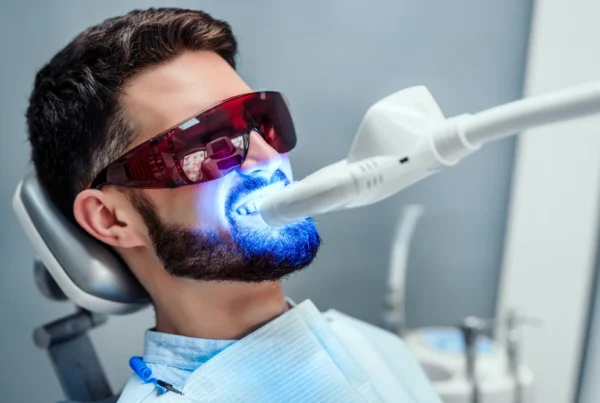
The difference shows up in timeline and depth of result. Store-bought strips require two to four weeks of daily use to produce visible changes. Professional in-office whitening at Randall Dentistry delivers visible results in a single sixty to ninety minute appointment. Take-home trays prescribed by Dr. Randall produce comparable results over seven to fourteen days.
What Store-Bought Whitening Can and Cannot Do
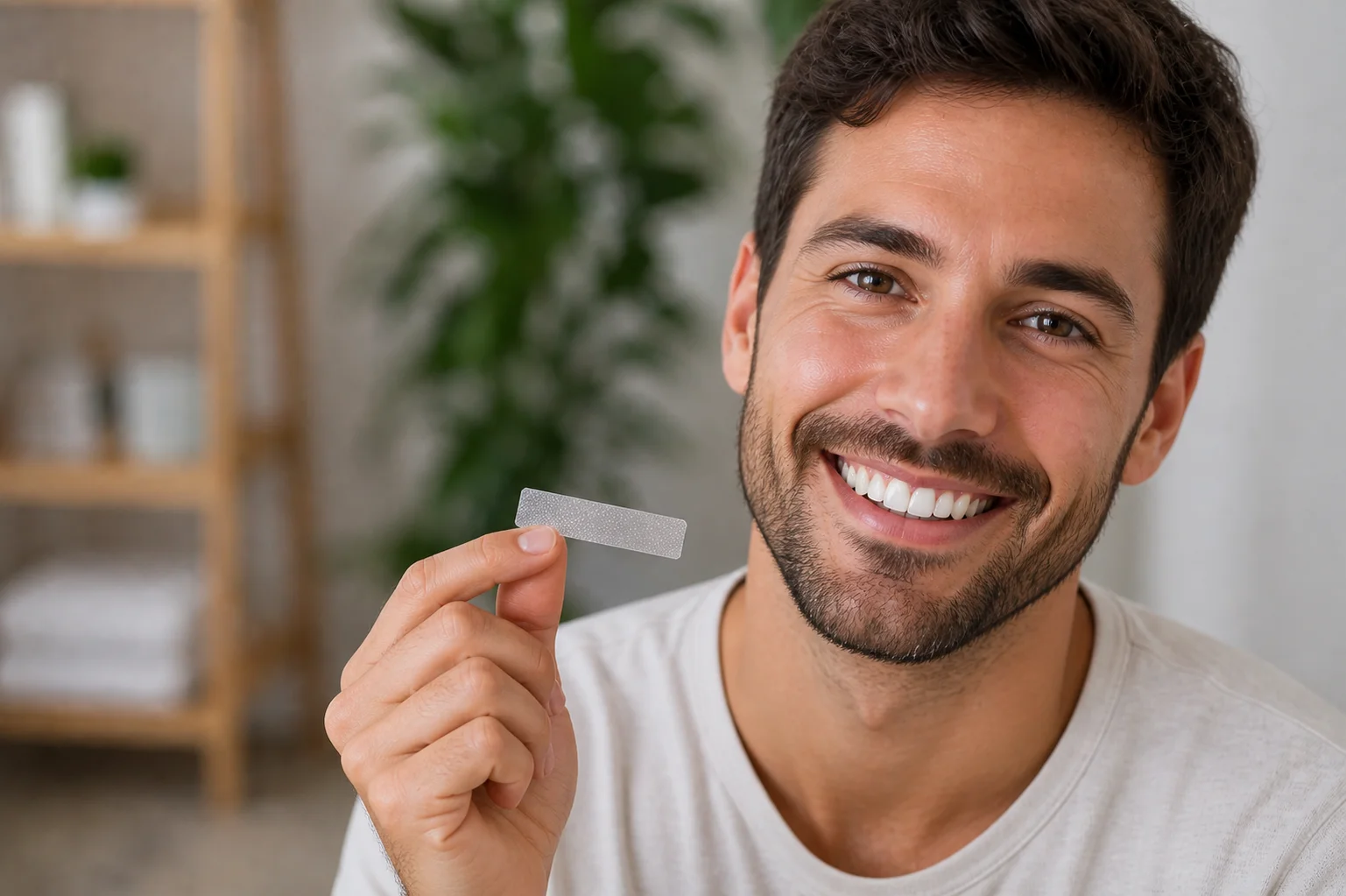
Store-bought products work for mild surface staining from food and drink, healthy enamel, and modest goals. For that group, an ADA-accepted strip can produce gradual improvement. The limitation is the low concentration and poor tray fit, which prevent deeper or more even results regardless of how consistently you use them.
- Store-bought strips work best on mild surface staining only
- Concentration tops out below ten percent without clinical oversight
- Generic trays do not conform to tooth shape and miss edges where staining concentrates
- Results typically take two to four weeks and lighten teeth one to two shades
- No screening for enamel erosion, sensitivity, or existing restorations before use
- Cannot treat intrinsic staining from medications, trauma, or fluorosis
Dr. Randall evaluates your enamel health, restorations, sensitivity history, and shade goal before recommending anything. Dallas and Park Cities patients leave with a plan built for their specific teeth, not a product off a shelf.
How the Three Whitening Options Compare
The right approach depends on your timeline, your sensitivity level, and how deep the staining goes. This table compares all three options across the factors that matter most to Dallas patients.
| In-Office Whitening | Professional Take-Home Trays | OTC Strips | |
| Peroxide concentration | 25 to 40 percent | 10 to 22 percent | 3 to 10 percent |
| Custom tray fit | Yes | Yes | No |
| Treatment time | One appointment | 7 to 14 days | 2 to 4 weeks |
| Shades of improvement | 3 to 8 shades | 2 to 6 shades | 1 to 2 shades |
| Sensitivity risk | Moderate | Low to moderate | Moderate to high |
| Dentist supervision | Yes | Yes | No |
| Treats intrinsic staining | Partially | Partially | No |
| Cost range | $500 to $1,000 | $300 to $500 | $20 to $80 |
Over-the-counter strips cost less but deliver less. Professional whitening costs more because the concentration, delivery system, and clinical screening produce more consistent results. Dr. Randall explains which option fits your teeth at your whitening consultation before any treatment begins.
What Determines Whether Whitening Will Work for You
The most common reason whitening disappoints is a mismatch between staining type and treatment. Surface stains from coffee, tea, red wine, and tobacco respond well to peroxide whitening at most concentrations. Intrinsic stains from medication use or development need higher concentrations and longer contact time, and results still vary.
- Professional whitening works best on surface staining from food, drink, or tobacco
- Tetracycline staining and fluorosis respond poorly to bleaching at any concentration
- Existing crowns, veneers, and bonded restorations do not respond to bleaching agents
- Patients with active gum disease or enamel erosion need those issues resolved first
- Sensitivity history determines whether in-office or take-home is the safer choice
- Dr. Randall identifies your staining type before any whitening begins
Patients with tetracycline staining may be better served by porcelain veneers or a smile makeover that covers the discoloration entirely. Dr. Randall tells you which category your staining falls into before you spend money on a treatment that may not work.
Schedule Your Teeth Whitening Consultation at Evans and Randall Dentistry.
You have tried whitening strips. You have tried whitening toothpastes. Neither moved the needle the way you expected. You need a dentist who looks at your specific teeth and tells you what will work and why. Dr. Andrew Randall trained at VCU School of Dentistry and has helped Dallas and Park Cities patients achieve natural-looking whitening results since 2009. At Evans and Randall Dentistry, the whitening conversation starts with your teeth, not a price list.
Schedule your teeth whitening consultation at Evans and Randall Dentistry. Get a clear picture before any treatment begins. Dr. Randall reviews your enamel health, your staining type, and your shade goal before recommending anything. Call (214) 750-4901 to book your consultation today.
Frequently Asked Questions About Professional vs. OTC Teeth Whitening in Dallas TX
Is professional teeth whitening worth the cost compared to whitening strips?
For most Dallas and Park Cities patients, yes. Professional whitening delivers faster results, higher concentrations, and a custom delivery system that strips cannot match. Clinical guidance on professional whitening options confirms in-office products contain a higher percentage of peroxide than at-home formulations. Dr. Randall reviews your staining type and enamel health at your consultation before you commit. Research on the limits of DIY whitening confirms drugstore methods consistently underperform for patients with moderate to significant staining.
Can over-the-counter whitening strips damage your teeth?
Used as directed, most ADA-accepted whitening strips are safe for healthy enamel. The risk rises with non-accepted products used too frequently, and underlying enamel erosion makes standard concentrations irritating. Patient guidance on safe whitening practices recommends talking to your dentist before starting any whitening treatment. Dr. Randall screens for enamel erosion, sensitivity, and existing restorations before recommending any protocol. Information on the risks of unsupervised DIY whitening outlines how these approaches cause harm when used without evaluation.
How many shades whiter can professional whitening make your teeth?
Most patients at Randall Dentistry see three to eight shades of improvement with in-office whitening. Take-home professional trays typically deliver two to six shades over seven to fourteen days. Results vary based on starting shade, staining type, and enamel condition. Research on whitening outcomes confirms yellow staining responds best while gray tones may not bleach at all. Dr. Randall tells you what shade improvement is realistic for your teeth before any treatment begins. Guidance on whitening candidacy outlines which discoloration types respond well to bleaching.
How long does professional teeth whitening last compared to strips?
Professional whitening results typically last twelve to thirty-six months depending on diet, tobacco use, and oral hygiene habits. Strip results last a shorter period because lower concentration produces less deep enamel penetration. Post-whitening maintenance guidance recommends avoiding staining foods for at least forty-eight hours after whitening and using touch-up trays to extend results. Dr. Randall provides touch-up protocols for all professional whitening patients. Information on maintaining whitening results long-term covers the daily habits that protect your investment.