
Tooth pain at 2am or a knocked-out tooth leaves you with one urgent question: now what? At Randall Dentistry in University Park, Dr. Andrew Randall helps Park Cities patients handle dental emergencies. He trained at Texas A&M Baylor College of Dentistry and belongs to the Texas Dental Association. He has treated dental emergencies for University Park and Highland Park families since 2009.
Most patients struggle not with the pain but with the uncertainty of how serious their situation really is. The emergency dental team at Randall Dentistry helps you make that call without delay. A trusted general dentist who already knows your health history moves faster and makes better decisions. That familiarity changes how quickly you get real care instead of a temporary fix.
When a Dental Problem Cannot Wait Until Morning
A few clear factors separate a true emergency from something that can hold until morning. Severe pain that spreads or gets worse over time almost always needs same-day attention. Jaw swelling, fever alongside tooth pain, or a displaced tooth all carry real risk when left untreated. The longer you wait in those situations, the harder treatment becomes.
Dental infections move faster than most patients expect. An abscess that feels manageable at 8pm can develop serious swelling by midnight. In severe cases, infection can spread to the jaw, neck, or airway. Knowing your symptoms before an emergency hits is the most useful thing you can do. That knowledge helps you act fast and skip the panic.
Signs Your Dental Problem Needs Same-Day Care
Some problems simply cannot wait for a next-day appointment. These are the situations that require you to call Randall Dentistry right away. Acting quickly in these cases almost always leads to a faster, simpler recovery.
- Severe tooth pain that does not respond to over-the-counter relief after an hour
- A knocked-out or partially dislodged permanent tooth that needs care within 30 minutes
- A broken or cracked tooth with sharp pain or a visibly exposed nerve
- A dental abscess with swelling in the gum, jaw, or face alongside fever or drainage
- Uncontrolled bleeding from the mouth following an injury or dental procedure
- A lost crown or filling exposing the tooth to significant pain or sensitivity
Every one of these situations has a window where acting quickly changes the outcome of treatment. Waiting even a few hours can turn a straightforward repair into a complicated procedure. Dr. Randall helps University Park and Park Cities patients move through that window with confidence. Calling Randall Dentistry first gives you a clear next step before panic sets in.
What to Do in the First Few Minutes of a Dental Emergency
The steps you take before your appointment can protect the tooth and reduce discomfort significantly. Having a plan before something goes wrong means you are not scrambling when pain hits. Simple steps taken early can preserve your options and reduce what treatment requires.
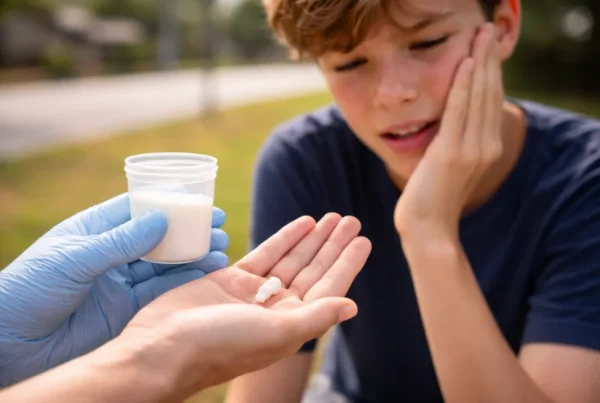
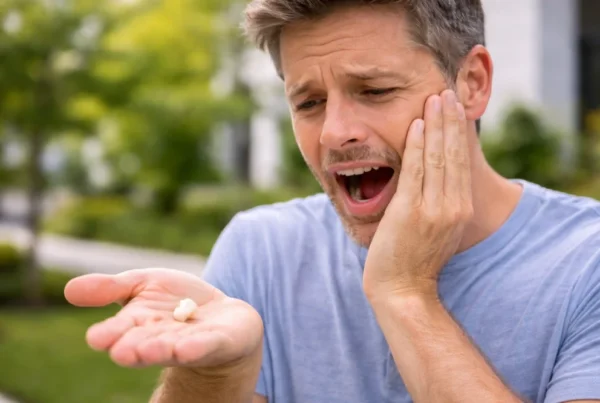
Handle a knocked-out tooth by the crown only and never touch the root. Rinse it gently under clean water without scrubbing it. Keep it moist in milk or between your cheek and gum on the way to the office. The 30-minute window is real and it changes what treatment is possible. Apply a cold compress in 10-minute intervals for jaw pain or swelling. Never apply heat to the area.
For uncontrolled bleeding, hold firm gentle pressure with clean gauze and do not lift it to check. Avoid chewing on the side of a lost crown or filling until you are seen. Call Randall Dentistry as soon as possible for same-day guidance on your specific situation. The sooner you call, the sooner Dr. Randall can help you figure out exactly what to do next.
Dental Problems That Can Usually Wait Until Morning
Not every after-hours dental problem qualifies as a true dental emergency. Some issues are uncomfortable but stable enough to manage safely until a morning appointment. Knowing the difference saves you unnecessary stress and helps you make a calmer decision.
Mild tooth sensitivity that comes and goes with temperature is rarely urgent on its own. A small chip or crack without pain or sharp edges can typically wait for next-day care. A loose filling without significant pain also falls into this category. These issues still need professional attention but do not carry the same escalation risk as infections or trauma. If symptoms change or worsen overnight, the urgency changes with them.
Emergency Care vs. Waiting: How to Decide
Most patients calling after hours want one clear answer: go now or wait until morning. The comparison below breaks down the most common situations so you can decide with confidence. Each situation reflects what Dr. Randall sees most often at Randall Dentistry from Park Cities patients.
| Situation | Emergency Care Needed | Can Wait Until Morning |
| Knocked-out permanent tooth | Yes, within 30 minutes | No |
| Severe pain with jaw swelling | Yes | No |
| Dental abscess with fever | Yes | No |
| Uncontrolled bleeding | Yes | No |
| Broken tooth with exposed nerve | Yes | No |
| Mild tooth sensitivity | No | Yes |
| Small chip without pain | No | Yes |
| Lost filling with mild discomfort | No | Yes |
Symptoms can shift quickly between when something happens and when you arrive for care. Calling Randall Dentistry and describing what you are experiencing is always the right first move. Dr. Randall helps University Park and Park Cities patients make that call every day without judgment. When you are unsure which column applies, a phone call is always faster than guessing.
How Randall Dentistry Handles After-Hours Emergencies
A dentist who already knows your health history can assess your situation faster and make better-informed decisions. That level of familiarity is something a walk-in urgent care clinic simply cannot offer. That means Dr. Randall builds a follow-up plan the same day rather than handing you off.
Dr. Randall starts with a targeted exam and digital X-rays to find the source of the problem fast. Getting you out of pain comes first and nothing else gets scheduled until that is handled. He then walks you through what is happening with your tooth in plain language. Your options are explained clearly and nothing is booked without your full understanding. Patients in University Park, Highland Park, and Preston Hollow say knowing what comes next helps most.
Signs a Dental Problem Is Getting Worse While You Wait
Dental problems that feel manageable can shift quickly overnight. Knowing the escalation signs helps you act before treatment gets harder and more involved. Pain that moves into the jaw, ear, or neck signals that something is spreading beyond the original tooth. Swelling beyond the original area or a new fever are warning signs that should not be ignored. These changes mean the infection is moving and needs attention sooner rather than later.
Difficulty swallowing, trouble opening your mouth, or a sudden bad taste are serious signals. These symptoms mean the infection may have spread significantly beyond the tooth. Patients with these symptoms should go directly to an emergency room rather than waiting for a dental appointment. Dr. Randall covers this with every emergency patient so you always know where the dental line ends.
Warning Signs That Mean You Need More Than a Dentist
Some situations go beyond what a dental office alone can handle. Recognizing those moments quickly can protect your overall health. Fever above 101 degrees combined with jaw swelling is a medical situation, not just a dental one. Swelling in your neck or trouble swallowing or breathing needs emergency room care right away. Do not drive yourself in those situations and do not wait to see if it improves.
These are rare but real scenarios that Dr. Randall discusses with every emergency patient at Randall Dentistry. Knowing the line between a dental emergency and a medical emergency removes the guesswork entirely. Park Cities and Highland Park patients say having this information made the situation far less frightening. Preparedness is the difference between panic and a clear next step when something goes wrong.
Do Not Wait on a Dental Emergency. Call Randall Dentistry.
That midnight question of whether your tooth can wait is exactly what Randall Dentistry is here to answer. Dr. Andrew Randall trained at Texas A&M Baylor College of Dentistry and belongs to the Texas Dental Association. He has helped University Park and Park Cities families handle dental emergencies since 2009. His answer is always straight, clear, and based on what is actually happening with your tooth.
No one should navigate a dental emergency alone at midnight. Patients in University Park, Highland Park, and Preston Hollow call Randall Dentistry for direct answers and fast care. The team moves quickly, explains everything clearly, and makes sure you leave knowing exactly what comes next. Contact Randall Dentistry to schedule your emergency appointment or call for same-day availability.
Frequently Asked Questions
What should I do if I have a dental emergency in the middle of the night?
Call your dentist first even if it is after hours, because many practices have an after-hours line with emergency instructions. Go directly to the nearest emergency room if you have uncontrolled bleeding, significant facial swelling, or trouble breathing or swallowing. The American Dental Association recommends contacting your dentist before heading to urgent care for most dental emergencies. Dr. Randall provides after-hours guidance for University Park and Park Cities patients at Randall Dentistry so you always know the right next step.
How long can you wait on a dental emergency before it becomes a bigger problem?
It depends entirely on what is happening with your tooth and what symptoms are present. A knocked-out tooth needs care within 30 minutes for the best chance of being saved. A dental abscess with swelling or fever needs same-day attention because infection spreads faster than most people realize. The Mayo Clinic confirms that time is the most critical factor in dental trauma outcomes. Call Randall Dentistry and describe your symptoms so Dr. Randall can tell you exactly how fast to move.
Can I go to the emergency room for a dental problem?
A hospital ER can control bleeding, manage infections that have spread, and treat severe pain with medication. Most ERs are not equipped to perform actual dental procedures like repairs or extractions. You will receive stabilizing treatment and a referral to a dentist for the underlying repair. The American Dental Association recommends seeing a dentist whenever a dental office is accessible for true dental emergencies. Dr. Randall sees urgent cases at Randall Dentistry in University Park and addresses the actual cause rather than just managing symptoms.
How do I know if my tooth pain is a dental emergency or can wait?
Severe pain, worsening pain, or pain that comes with swelling, fever, or a bad taste almost always signals an emergency that should not wait. Pain that is mild, intermittent, and tied to specific triggers like cold food or pressure can usually wait for a regular appointment. The American Dental Association notes that any pain involving signs of infection should always be treated as urgent. If you are not sure, call Randall Dentistry and Dr. Randall will help you figure out exactly what to do next. Park Cities patients never have to make that call alone.
Related Services