

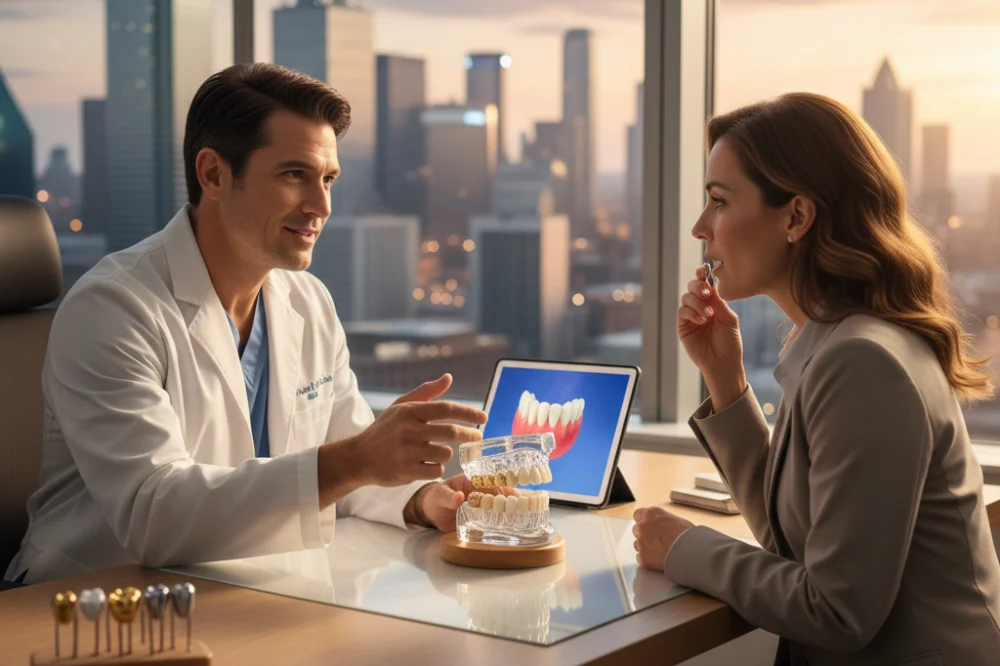
If you’re thinking about getting a dental crown in Dallas, TX, it helps to know your options. There’s no one-size-fits-all crown, each material has its perks and tradeoffs. Some are strong, others look just like your real teeth, and a few are good for quick fixes. At Randall Dentistry, Dr. Drew Randall makes it easy to choose by walking you through what fits your lifestyle, your smile, and your budget. He makes sure you understand what to expect, how it will feel, and what it will cost before anything begins.
Dr. Randall’s been doing this a long time. He helps folks from Highland Park, Preston Hollow, and all over Dallas protect their teeth and feel better about their smiles. Patients say he’s great at explaining things clearly, so you’re never left wondering what comes next. He’s big on using the best materials and making sure everything is clear before moving forward. It’s dental care, minus the guesswork and without the pressure.
Why People Usually Need a Crown
There are lots of reasons you might need a crown, but the goal is usually the same: to protect a tooth and make it feel like your own again. A lot of our patients in Park Cities, Lakewood, and Bluffview come in with worn-down teeth, big cracks, or old fillings that just aren’t holding up anymore. Sometimes it’s about pain or sensitivity, and sometimes it’s just about wanting your smile to look and feel better.
Here’s when a crown might come into play:
- After a root canal
- If a tooth is cracked or broken
- To rebuild a tooth that’s worn down
- To cover a dental implant
- To improve how a tooth looks
Dr. Randall always talks through your options. Maybe a crown’s the right move, maybe there’s another way to solve the issue. You’ll never feel rushed into a decision, and you’ll always know why it’s being recommended.
Understanding Crown Materials: Which Type Is Right for You?
There’s no single crown material that works for everyone. Your choice depends on where the tooth is located, how much pressure it takes, what kind of look you’re after, and how much you’re looking to spend. That’s why Dr. Randall offers several options, each one suited for a different set of priorities.
Porcelain crowns are great for front teeth because they reflect light like natural enamel and blend beautifully with the rest of your smile. If you’re focused on aesthetics, this is often the top pick. Just keep in mind they’re a bit more delicate and may not be ideal for heavy grinders. PFM crowns (porcelain-fused-to-metal) give you durability plus a nice appearance. They’re good for front and back teeth, but the metal underneath can sometimes show as a gray line near the gums if recession happens over time.
Zirconia crowns are a favorite for their blend of strength and appearance. These digitally milled crowns are great all around the mouth. They’re long-lasting and metal-free, but if they’re not adjusted properly, they can wear down the teeth they touch.
Metal crowns like gold are still a go-to choice for back molars. They’re tough, comfortable, and gentle on neighboring teeth. They’re not tooth-colored, but if looks aren’t an issue, they last a long time. Resin crowns are a budget-friendly temporary fix. They’re fast and inexpensive but not built to last. Dr. Randall often uses them while you wait on a permanent crown.
Common Questions About Durability and Appearance
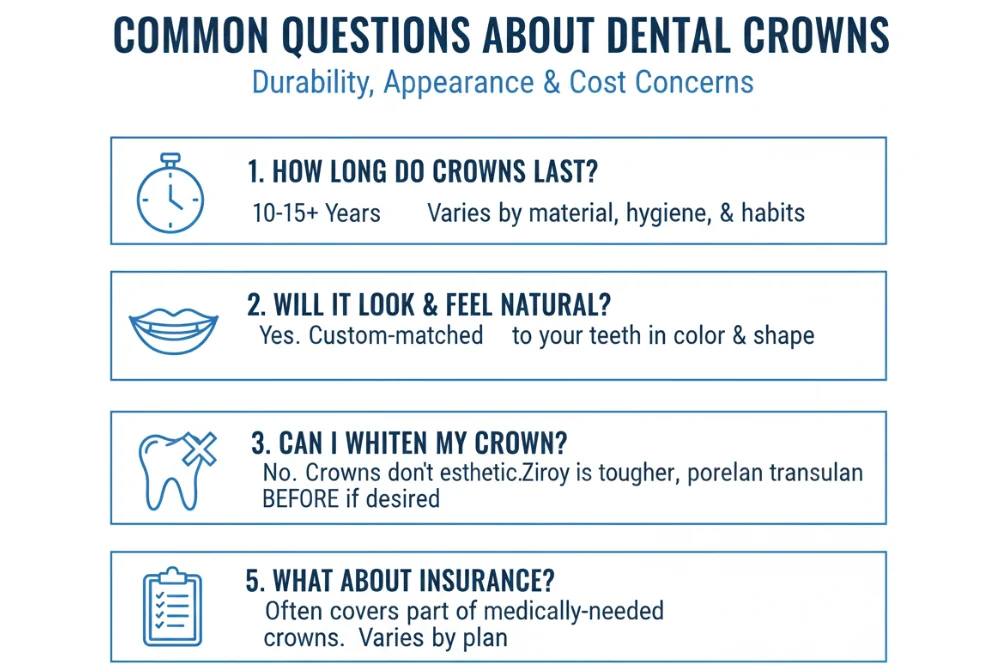
We get a lot of the same questions from patients around Knox/Henderson, Turtle Creek, and Lower Greenville. These aren’t just technical concerns, they’re everyday worries about comfort, longevity, and how things will look. It’s normal to wonder how long crowns last or whether people will be able to tell you have one.
- How long do crowns actually last?
- Will it feel weird or look fake?
- Can I whiten it if it stains?
- Is zirconia better than porcelain?
- What will my insurance cover?
Dr. Randall covers all this in your visit. With a quick exam and some X-rays, you’ll have a plan that makes sense. It’s not about guessing, it’s about knowing what’s best for your teeth and your daily life. You’ll leave with answers and a clear idea of what comes next.
Benefits and Tradeoffs of Each Crown Type
Choosing the right crown material isn’t just about looks or durability, it’s about finding the balance that works for your bite, your habits, and your budget. Some people care most about appearance. Others want the strongest, longest-lasting option, especially for molars that do heavy chewing. Dr. Randall walks you through all of it, but this table can give you a head start on the conversation.
| Type | Best For | Pros | Cons |
| Porcelain | Front teeth | Very natural-looking | Can chip or break |
| PFM | Front/back teeth | Strong with better aesthetics | May show gray line over time |
| Zirconia | All areas | Very strong and esthetic | Can be abrasive to other teeth |
| Metal (Gold/Alloy) | Molars | Long-lasting, gentle on opposing teeth | Not tooth-colored |
| Resin | Temporary use | Inexpensive | Weak, prone to wear and breakage |
Dr. Randall uses this chart as a conversation starter, not a final answer. Every smile is different. What makes sense for one person might not work for someone else. Whether you’re after a cosmetic fix or a functional repair, this table helps you ask the right questions so your final decision feels right and lasts as long as it should.
When Appearance Is a Big Deal
Let’s be real, if your crown is right up front, you want it to look good. And that’s fair. Dr. Randall has helped people in Uptown, Oak Lawn, and Greenway Parks who wanted crowns that looked like their natural teeth, or better. A natural look boosts your confidence, especially when you’re smiling, speaking, or even laughing.
Porcelain and zirconia are usually the top picks when looks matter. They reflect light like real enamel and can be tinted to match your smile. They don’t just blend in, they’re made to look like they’ve always been there. Dr. Randall doesn’t just match the tooth, he makes sure the shape, size, and overall look fit your whole face.
It’s not just about function. It’s about confidence. And that shows up in the way you smile and speak every day. When a crown looks good and feels right, you forget it’s even there.
What the Treatment Process Looks Like
Usually, getting a crown takes two visits. The first one is where Dr. Randall shapes the tooth, takes digital scans, and places a temporary crown to protect everything while the final version is made. You’ll leave that day with a tooth that looks and works like normal. That way, you don’t have to walk around with a gap or feel self-conscious.
A couple weeks later, you come back for the final crown. Dr. Randall makes sure it fits, feels good, and looks just right before cementing it in place. He checks your bite, asks how it feels, and makes any adjustments needed. When it’s all set, you’re good to go.
If your schedule’s packed, there’s also a same-day option with some zirconia crowns. That’s been a game changer for patients in University Park, Hillcrest Estates, and Preston Center who want to fix their tooth fast and move on. It’s efficient without cutting corners on quality.
Taking the Next Step
You don’t have to figure it all out on your own. Dr. Drew Randall is here to guide you through it, from choosing the material to making sure the crown fits comfortably and looks great. You’ll get answers to your questions, options that make sense, and care that’s tailored to you.
At Randall Dentistry, you get straight answers and custom care. You won’t be treated like a number or handed a generic plan. Everything is about what works for your mouth, your goals, and your everyday routine. That’s how Dr. Randall earns the trust of patients across Dallas.
Call us today if you’re ready to eat, speak, and smile without worrying about your teeth. We’ll help you get the right crown, the kind that feels like it’s been there all along. And we’ll make the whole process simple, clear, and maybe even a little enjoyable.
Randall Dentistry
6805 Hillcrest Avenue, Suite 218
Dallas, TX 75205
214-750-4901
https://drdrewrandall.com/
See More Reviews From Randall Dentistry.
Randall Dentistry on Google
Frequently Asked Questions
How long do dental crowns last?
Longevity affects both cost planning and how you care for your restored tooth.
What they should ask instead: How long can I reasonably expect my crown to last, and what can I do to help it last longer?
- Immediate Insight: Many dental crowns last around 10–15 years on average, and some last decades with excellent home care and regular checkups.
- Supporting Context: ADA‑aligned sources report that material (porcelain, zirconia, metal), bite forces, hygiene, and habits like grinding heavily influence lifespan; ceramics and zirconia generally offer a strong balance of esthetics and durability when properly maintained.
- Deeper Implication: Regular cleanings, brushing and flossing, avoiding chewing ice or very hard items, and wearing a nightguard if you clench or grind significantly increase the odds your crown will stay comfortable and functional well beyond the 10–15‑year mark.
Do crowns look natural or bulky?
Patients want function and esthetics, without a “fake tooth” look.
What they should ask instead: How natural can my crown look, and what tools does my dentist use to make it blend in?
- Immediate Insight: Modern all‑ceramic and zirconia‑based crowns are designed to mimic natural tooth color and translucency, so they usually look and feel like part of your own smile rather than bulky caps.
- Supporting Context: Many practices use digital scans, photos, and shade guides so labs can match nearby teeth in shape, size, and color; once placed, most patients cannot easily tell which tooth has the crown.
- Deeper Implication: Clear communication about your esthetic goals, plus high‑quality lab work, lets your dentist fine‑tune contours and color so the crown disappears into your smile line.
Can a crown be whitened?
Patients considering whitening need to know how it interacts with existing or future crowns.
What they should ask instead: Should I whiten before or after getting a crown if I want a brighter smile?
- Immediate Insight: No, crowns do not respond to bleaching agents. Whitening treatments can brighten your natural enamel but will not change the color of porcelain or zirconia crowns.
- Supporting Context: Professional guidance recommends choosing your crown shade after any planned whitening, so the new crown matches your lighter tooth color instead of standing out later.
- Deeper Implication: If you think you’ll want a whiter smile in the future, discuss whitening first so your final crown color is a long‑term match.
What’s better: zirconia or porcelain?
Material choice affects appearance, strength, and how the crown behaves over time.
What they should ask instead: For my specific tooth and bite, which crown material makes the most sense?
- Immediate Insight: Zirconia is extremely strong and often favored for back teeth or heavy biters, while porcelain and other all‑ceramic options are prized for the most lifelike appearance, especially on front teeth.
- Supporting Context: Cleveland Clinic notes zirconia crowns withstand greater chewing forces and are gentle on opposing teeth, while porcelain‑based crowns can offer superior translucency but may chip more easily under high load.
- Deeper Implication: The “better” choice depends on tooth location, how hard you bite or grind, and your cosmetic priorities; many dentists use zirconia or zirconia‑hybrids for molars and highly esthetic ceramics for front teeth, sometimes combining both in a treatment plan.
Will insurance cover my dental crown?
Coverage can significantly change your out‑of‑pocket costs.
What they should ask instead: What parts of a medically needed crown does insurance usually help with, and how do we avoid billing surprises?
- Immediate Insight: Many dental insurance plans cover a percentage of crown costs when the restoration is medically necessary (for a cracked, decayed, or heavily restored tooth), up to the plan’s annual maximum. Purely cosmetic crowns are less likely to be covered.
- Supporting Context: Insurers like Delta Dental explain that coverage details, such as waiting periods, replacement frequency limits, and what counts as “major” services, vary by plan, so a written pre‑treatment estimate is essential.
- Deeper Implication: Having the office verify your benefits and submit a preauthorization lets you see your estimated share before treatment starts, so you and Dr. Randall can choose timing, materials, and any financing options with full cost transparency.