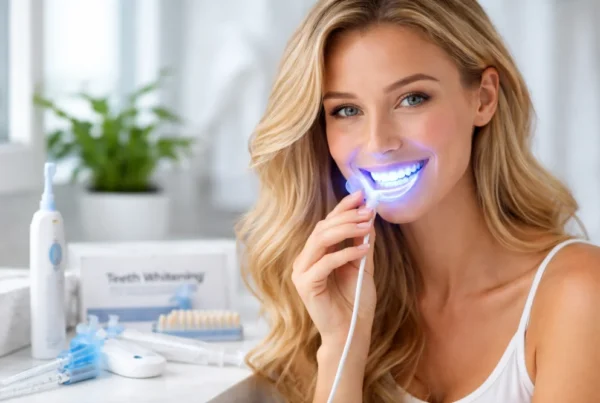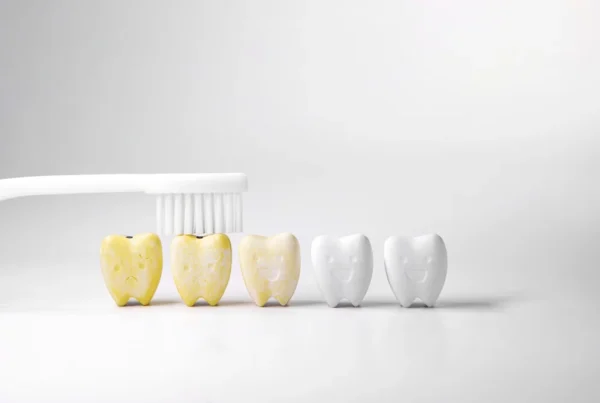

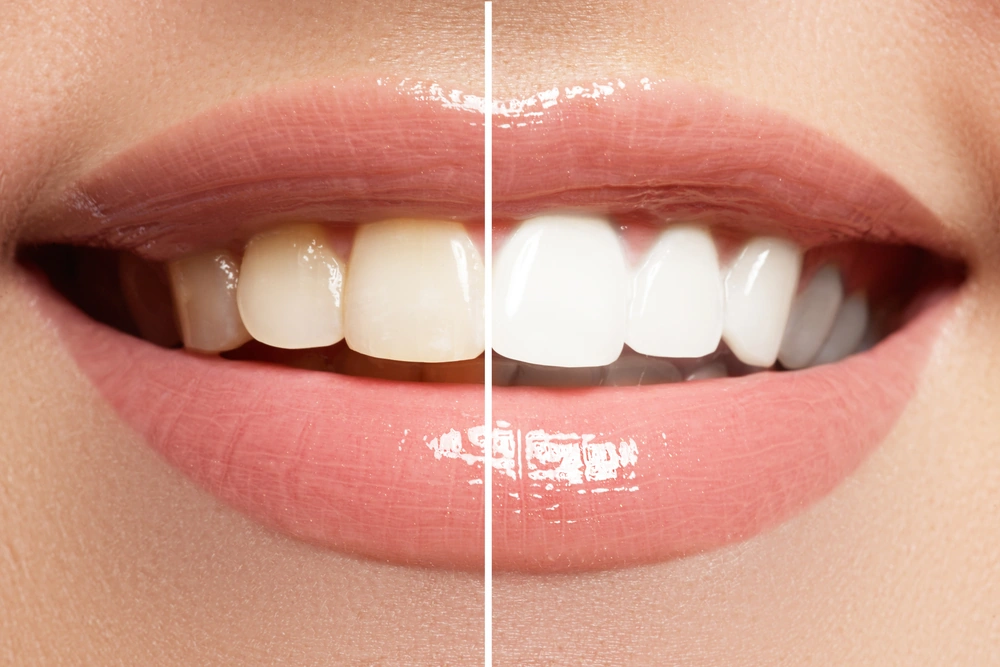
Natural teeth whitening methods work best for surface stains but may not be effective for deeper discoloration. Some popular natural remedies like activated charcoal and acidic fruits can actually damage tooth enamel over time.
Professional guidance helps you choose safe natural options that won’t harm your teeth. The best approach often combines gentle natural methods with professional treatments when needed for optimal results.
More families are choosing natural and organic products for everything from food to toothpaste. Dr. Drew Randall at Randall Dentistry in Dallas, Texas understands this shift toward healthier living. Since earning his degree from Texas A&M University System – Baylor College of Dentistry in 1998, he’s helped patients find the right balance between natural preferences and effective dental care.
The desire for natural teeth whitening comes from wanting to avoid harsh chemicals while still achieving a bright smile. Many people worry about what they’re putting in their mouths and want options that feel safer and more gentle. This is especially true for parents who want to set good examples for their children about making healthy choices.
Dr. Randall’s approach at Randall Dentistry combines the best of both worlds. He respects patients’ preferences for natural solutions while ensuring they get results that actually work. His experience with innovative techniques like BioRejuvenation dentistry means he can offer options that align with your values without compromising your oral health.
Why People Are Choosing Natural Whitening Solutions
The growing demand for natural teeth whitening solutions reflects a broader movement toward healthier lifestyle choices. People are becoming more conscious about the ingredients in the products they use daily, especially those that go in their mouths. Randall Dentistry recognizes this trend and provides options that respect these preferences while maintaining high standards of dental care.
Consumer awareness about traditional whitening ingredients has increased dramatically in recent years. Many people now read labels carefully and research potential side effects before choosing dental products. This informed approach has led to greater interest in products labeled as natural or organic, which are often perceived as gentler and safer options.
Environmental consciousness also plays a role in product choices. Health-minded individuals consider not only the effects on their bodies but also the impact their purchases have on the planet. They seek eco-friendly whitening options that reduce their environmental footprint while pursuing cosmetic improvements.
Dr. Randall’s practice acknowledges and adapts to these consumer preferences by offering a balanced approach. The team provides both natural whitening solutions and scientifically-backed treatments, ensuring each patient receives individualized care that aligns with their lifestyle choices and delivers safe, effective results.
Understanding Tooth Color: The Two Types of Stains
Achieving a bright smile starts with understanding what’s causing your teeth to look discolored. There are two main types of tooth stains: extrinsic stains on the surface and intrinsic stains that go deeper. Knowing which type you have helps determine the best whitening approach for your situation.
Extrinsic stains are the surface-level discolorations caused by things like coffee, tea, red wine, and berries. These are the stains that regular brushing and natural whitening methods can often address. The good news is that these surface stains are generally easier to remove and don’t require intensive professional procedures.
Intrinsic stains lie beneath the enamel in the deeper layer of the tooth called dentin. These stains often result from factors like certain medications, genetics, or aging. They’re much more stubborn and typically don’t respond well to natural remedies or over-the-counter whitening products.
Understanding which type of stain affects your teeth is crucial for choosing the right treatment. Surface stains might respond well to natural methods, but deeper stains usually require professional intervention. Dr. Randall helps patients understand this distinction so they can make informed decisions about their whitening journey.
Trying natural methods on intrinsic stains often leads to frustration and wasted time. Professional evaluation can save you from ineffective treatments and guide you toward solutions that actually work for your specific type of discoloration.
The Efficacy and Safety of Natural Whitening
Natural whitening methods require careful consideration of both their effectiveness and potential risks to your dental health. Popular options like activated charcoal and acidic fruits may seem appealing, but they can present serious dangers to your tooth enamel that many people don’t realize.
Activated charcoal has gained popularity as a natural teeth whitener because of its ability to absorb substances. However, its coarse texture can be highly abrasive to tooth enamel when used regularly. This abrasiveness can lead to increased sensitivity and make your teeth more susceptible to decay over time.
Acidic fruits like lemons and strawberries contain natural enzymes that might temporarily brighten teeth. Unfortunately, their high acid content can soften and gradually erode your enamel. This erosion can actually make your teeth more prone to stains and decay in the future, creating the opposite effect of what you’re trying to achieve.
The key to safe natural whitening is understanding the long-term implications of your choices. What might give you immediate brightening could potentially harm your dental health down the road. It’s important to weigh the short-term benefits against the possible long-term consequences.
Navigating Misleading Marketing Claims
Marketing claims for “natural” and “organic” dental products can be misleading and don’t automatically guarantee safety or effectiveness. Understanding how to evaluate these products requires looking beyond attractive labels to examine factors that actually impact your oral health.
The Relative Dentin Abrasivity (RDA) value is a crucial measurement that indicates how abrasive a toothpaste or whitening product is. High RDA values can lead to enamel erosion and dentin damage over time. Look for products with low RDA values, especially if you have sensitive teeth or concerns about enamel wear.
- Check RDA values to avoid overly abrasive products
- Look for pH levels close to neutral to protect enamel
- Research ingredients beyond just “natural” claims
- Seek professional guidance before trying new methods
- Consider long-term effects, not just immediate results
The pH level of a product significantly affects its safety for your teeth. Highly acidic products can weaken tooth enamel, undermining your teeth’s health despite promises of natural ingredients. Products with pH levels closer to neutral are much safer for regular use.
It’s essential to look past appealing “natural” labels and assess the complete impact of a product on your dental health. A product might be organic but still pose risks to your long-term oral well-being. Careful examination of ingredients and their effects helps you avoid marketing claims that prioritize appeal over actual health benefits.
Aligning Natural Aspirations with Effective Results
Finding the right balance between natural dental preferences and achieving real whitening results requires a thoughtful approach. Natural hygiene practices can help manage surface stains but often fall short when dealing with deeper tooth discoloration.
Extrinsic stains from external factors like food, drinks, and smoking can often be managed with good oral hygiene and gentle natural methods. Practices like oil pulling or using baking soda in moderation can help maintain your teeth’s natural whiteness. These techniques work well as part of a comprehensive oral care routine for surface-level issues.
Intrinsic stains from internal factors like aging, medications, or genetics require more advanced treatment approaches. Natural methods alone simply aren’t powerful enough to address these deeper discolorations. Professional bleaching treatments become necessary when you want to see significant improvement in these types of stains.
A hybrid approach that combines natural preventive measures with professional interventions when needed offers the best of both worlds. This model allows you to maintain your preference for natural methods while still achieving the whitening results you desire. Dr. Randall’s practice embraces this balanced approach, helping patients reach their goals without abandoning their organic preferences.

Transitioning from Natural Remedies to Professional Treatments
Recognizing when to move from natural whitening methods to professional treatments is crucial for achieving your desired smile. There are clear signs that indicate when natural remedies have reached their limits and professional intervention becomes necessary.
The first sign is when natural methods fail to produce noticeable changes in tooth color. If you’ve tried oil pulling, fruit enzymes, or other natural remedies for several weeks without seeing improvement, it may be time to consider professional options like bleaching or light-activated whitening procedures.
Evidence of enamel damage from home treatments is another important warning sign. Increased tooth sensitivity, visible wear, or changes in tooth texture suggest that your natural method might be too abrasive or acidic. Professional treatments can provide better results while protecting your dental health.
The desire for long-lasting, dramatic results often makes professional treatment the better choice. Dental professionals can provide custom-fitted whitening trays with peroxide gels that ensure even coverage and sustained results that aren’t possible with over-the-counter or DIY methods.
The Importance of Informed Dental Decisions
Making well-informed decisions about your dental care is essential for maintaining long-term oral health. Dr. Randall empowers patients by providing accurate information about different whitening methods, helping them make choices that align with both their dental needs and personal values.
Understanding the various options for teeth whitening is the foundation of good decision-making. From natural remedies to professional treatments, each method has specific benefits and limitations. Education about these differences helps patients choose the path that best suits their particular situation and goals.
Awareness of potential risks associated with different whitening techniques protects patients from unintended harm. Issues like enamel damage or sensitivity can arise from certain products or procedures. Professional guidance helps mitigate these risks while providing advice tailored to individual health and cosmetic objectives.
Personalized care planning becomes possible when patients understand the full spectrum of whitening options. Working collaboratively with Dr. Randall, patients can create effective plans that improve their smile’s aesthetics while maintaining the integrity of their teeth for long-term dental health.
Proactive Measures for Natural Whitening
Adopting smart strategies is essential for safely using natural teeth whitening techniques. This includes choosing gentle whitening agents, consulting dental professionals before beginning treatments, and selecting products with scientific backing. These best practices help protect your enamel while pursuing a whiter smile.
Gentleness should guide your choice of natural whitening agents. Abrasive materials can wear down enamel, leading to sensitivity and long-term damage. Moderate use of less abrasive substances like baking soda can gently lift surface stains without harming your teeth’s protective layer.
Professional consultation before trying any new whitening method provides valuable personalized insights. Dr. Randall can recommend the most suitable and effective options based on your specific dental conditions and goals, helping you avoid potential harm from unsuitable home remedies.
Prioritizing products with scientific backing over trendy ingredients ensures both safety and effectiveness. Rigorously tested products deliver on their promises of whiter teeth without compromising your oral health, making them a smarter choice than unproven methods.
Making Smart Choices for Your Smile’s Future
Navigating natural and organic teeth whitening requires balancing health-conscious preferences with expert dental guidance. Dr. Drew Randall at Randall Dentistry embraces a responsible approach to oral care, ensuring that both treatment effectiveness and safety align with patient values and scientific evidence.
The practice acknowledges the growing preference for natural dental solutions among health-conscious individuals. Dr. Randall supports the appropriate use of natural methods and provides guidance for patients seeking these alternatives, respecting their lifestyle choices while maintaining professional standards.
Realistic expectations and practical outcomes are emphasized throughout the treatment process. While some natural methods can effectively address minor staining, others may fall short or potentially harm dental health. Patients receive honest advice about what results can be achieved through natural means and what might require professional intervention.
Dr. Randall advocates for professional expertise in dental decisions, especially regarding whitening treatments. Since establishing his practice in 2009 and with his extensive training in innovative techniques, he cautions against unvetted methods that may cause long-term issues. Instead, he endorses a comprehensive approach that combines patient values with evidence-based dental science for safe, satisfying results.
Schedule your appointment today!
Randall Dentistry
214-750-4901
6031 Sherry Ln,
Dallas, TX 75225
Frequently Asked Questions
Are natural teeth whitening methods really effective?
Natural whitening methods can be effective for surface stains and are excellent for maintaining daily oral health. However, they typically don’t provide dramatic results for deeper stains, which often require professional treatment for noticeable improvement.
Will natural whitening damage my tooth enamel?
Some natural methods, like activated charcoal or acidic fruits, can harm enamel over time if used improperly. It’s best to choose gentle, low-abrasive natural products and consult with Dr. Randall for safe whitening practices tailored to your specific needs.
How can I ensure natural teeth whitening is safe?
To ensure safety with natural whitening methods, choose products with low RDA values and balanced pH levels. Always seek professional dental advice before starting any new treatment, and prioritize scientifically-backed products over unproven home remedies.